Views: 0 Author: Site Editor Publish Time: 2026-11-29 Origin: Site
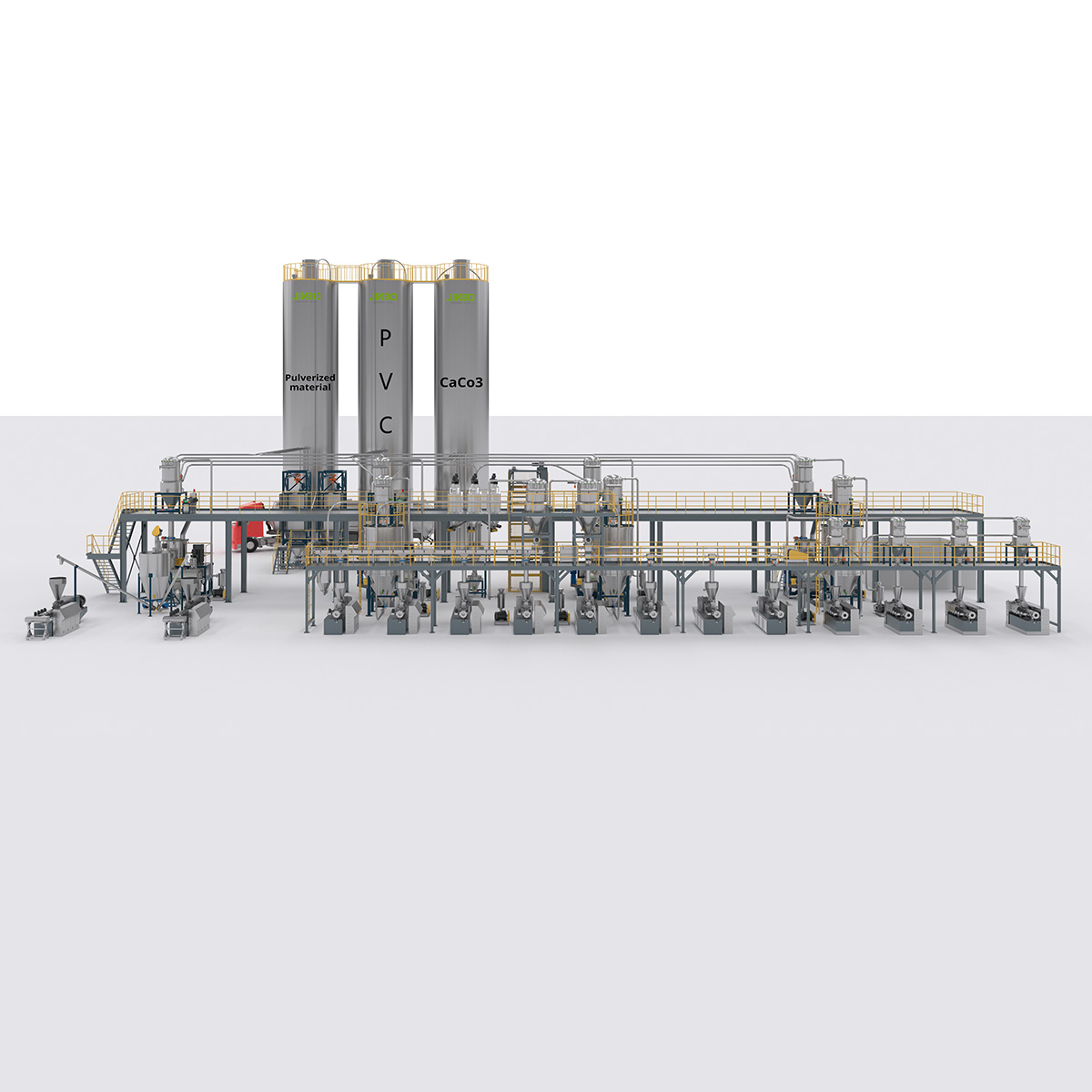
A centralized feeding system for injection molding uses shared vacuum conveying equipment, material distribution lines, and automated controls to deliver plastic resin from centralized storage or preparation equipment to multiple injection molding machines. By coordinating material delivery, a centralized feeding system reduces manual handling, supports consistent resin supply, and helps keep production areas organized. Operators constantly battle material contamination, inconsistent drying profiles, and severe labor bottlenecks. Floor space becomes cluttered with gaylords, bags, and portable dryers, creating safety hazards and restricting forklift movement. More critically, cycle time interruptions caused by machine starvation directly erode manufacturing profitability.
Moving away from these fragmented processes requires a strategic infrastructure upgrade. Implementing a centralized feeding system for injection molding shifts the facility toward a synchronized, zero-manual-handling workflow. This transition demands comprehensive whole-factory planning. By consolidating material storage, drying, and distribution into a single controlled environment, plant managers eliminate machine-side staging, stabilize the plasticizing process, and achieve consistent, high-yield production across the entire facility.
Workflow Synchronization: Centralized systems eliminate machine-side material staging by coordinating drying, blending, and dosing from a single, remote material room.
Quality & Consistency: Closed-loop vacuum conveying prevents moisture reabsorption in hygroscopic resins, drastically reduces airborne dust, and stabilizes the machine's plasticizing process.
Scalability vs. Complexity: While offering superior ROI for multi-machine plants, centralized systems require rigorous upfront facility layout planning and precise vacuum sizing.
Financial Return: The initial capital expenditure is offset by reductions in direct labor, material waste, energy consumption, and machine downtime.
Table of Contents
The physical journey of plastic resin begins in bulk storage. Materials stored in outdoor silos, indoor surge bins, or gaylords are drawn into the network through suction lances or rotary valves. From storage, the resin travels to a material selection branch station, commonly known as a manifold. This manifold acts as the central switchboard for the entire plant floor. Operators connect specific material lines to dedicated machine lines, ensuring the right polymer reaches the correct destination. The manifold eliminates the need to move heavy gaylords across the floor when a machine switches jobs. Instead, the operator simply moves a quick-disconnect hose on the manifold board.
Resin moves through rigid stainless-steel vacuum piping, propelled by negative pressure. The setup relies on a central vacuum pump to generate this conveying force. Depending on the plant's size and throughput requirements, engineers specify different pump technologies. Roots blowers provide high volume and deep vacuum for long distances. Regenerative blowers suit medium-distance conveying with consistent pressure. High-pressure fans handle shorter runs and lighter materials. A central control console, driven by a Programmable Logic Controller (PLC), orchestrates the entire sequence. The PLC monitors sensors at the machine-side receivers, opening and closing vacuum valves to satisfy material demands without overloading the common vacuum line. Proper pipe sizing prevents material degradation during transit.
Conveying plastic pellets at high velocities generates friction against the pipe walls. This friction creates airborne dust, fines, and angel hair, which threaten both the equipment and the final molded product. A central cyclone dust collector sits inline before the vacuum pump to separate heavy particulates from the airstream using centrifugal force. The cyclone drops the dust into a collection bin, preventing it from reaching the pump's internal tolerances and causing mechanical failure.
Following the cyclone, high-efficiency filters capture microscopic fines. Central vacuum filtration protects the pump by removing dust and fines from the conveying airflow. Receiver-level separation and appropriate resin dedusting equipment help control particulate contamination in the material delivered to the injection molding machine. Excessive fines melt faster than whole pellets inside the barrel, causing thermal degradation, black specks, and structural weak points in the molded parts. Proper filtration ensures only clean, uniform pellets enter the feed throat, maintaining the mechanical integrity of the finished components. Routine maintenance includes emptying the cyclone collection bin and cleaning or replacing filter elements, with automated reverse-pulse cleaning available on systems equipped with this feature. This automated cleaning blasts compressed air through the filter media, knocking accumulated dust into a collection chamber and extending the lifespan of the filter elements.
A modern centralized feeding system rarely operates in isolation. It must integrate seamlessly with other material preparation equipment on the factory floor. Central drying hoppers condition hygroscopic resins in the material room before conveying. For moisture-sensitive resins, a properly configured dry-air conveying system can transport dried pellets to the molding machines while reducing moisture reabsorption during transfer.
Gravimetric blenders and color dosing units also sync with the central PLC. The network conveys virgin resin, regrind, and masterbatch to the blender. The blender weighs and mixes the batch precisely, then drops it into a surge bin. The central vacuum then pulls this homogenous blend directly to the machine. This synchronization ensures material is prepared accurately and delivered just-in-time. This arrangement reduces manual material handling and helps maintain consistent blend delivery, while appropriate conveying conditions are important for limiting ingredient segregation during transport.
Understanding the operational shift requires comparing the traditional decentralized approach against a centralized architecture across several technical and operational dimensions.
Evaluation Metric | Decentralized Feeding (Machine-Side) | Centralized Feeding System |
|---|---|---|
Vacuum Source | Individual fractional-horsepower motors on every machine. | One or two large, high-efficiency central vacuum pumps. |
Material Staging | Gaylords and bags cluttering the production floor. | Consolidated in a remote, dedicated material room. |
Noise Levels | High ambient noise from dozens of local loader motors. | Quiet production floor; pumps isolated in utility rooms. |
Maintenance | Hundreds of individual filters and brushes to clean/replace. | Single point of maintenance at the central cyclone and pump. |
Moisture Control | High risk of moisture pickup if hoppers are left open. | Closed-loop dry air conveying prevents reabsorption. |
Decentralized setups demand intense manual labor. Technicians spend their shifts driving forklifts, maneuvering gaylords between machines, tearing open 25kg bags, and manually cleaning individual hopper loaders. This constant movement creates a chaotic production floor. Forklift traffic increases the risk of workplace accidents and damages infrastructure. Operators waste hours simply staging material rather than optimizing the molding process. In a multi-machine facility, decentralized feeding can require substantial labor for material transport, hopper refilling, and loader maintenance.
Managing a single central material room drastically reduces these labor hours. Centralizing these tasks reduces repeated machine-side handling and allows operators to manage material distribution from a designated material preparation area. Material handlers operate in one designated area, connecting bulk bags or silos to the manifold. The network automatically routes the resin. Plants can reallocate material handling personnel to higher-value tasks, such as quality inspection, mold maintenance, or process optimization. The production floor becomes a forklift-free zone, significantly improving overall plant safety and operational flow.
Open-bag handling guarantees material waste. Pellets spill onto the floor during manual transfers, becoming unusable scrap. Opening gaylords next to operating machines introduces foreign object debris into the material supply. Cardboard dust, ambient dirt, and stray hardware easily find their way into open hoppers. This debris leads to blocked nozzles, damaged check rings, and rejected parts.
A centralized architecture utilizes a closed-loop network. Resin remains sealed from the moment it leaves the bulk container until it enters the injection barrel. The risk of spillage drops to near zero. Cross-contamination is mitigated through dedicated piping lines and automated purge cycles that clear the lines completely between batches. This is especially critical when running clear polycarbonates or medical-grade resins where a single stray pellet ruins an entire production run.
Running dozens of individual machine-side loaders consumes excessive energy. Each small motor draws a high starting current every time it cycles on. A 20-machine plant might have twenty 1.5 HP loader motors cycling randomly, creating massive amp spikes. A central vacuum pump equipped with a variable frequency drive (VFD) operates with high efficiency. Where variable-speed control is available, the central vacuum pump can adjust its speed to match the required conveying airflow and operating vacuum. Energy savings are achieved through efficient pump operation, coordinated loading cycles, and reduced unnecessary running time, rather than motor horsepower reduction alone.
Floor space is premium real estate in any manufacturing facility. Decentralized setups waste this space by requiring material staging areas at every machine. Relocating bulk material, dryers, and blenders to a centralized room recovers valuable square footage. This recovered space allows plants to install additional injection molding machines or implement automated part-removal robots, directly increasing revenue-generating capacity without expanding the building footprint.
Designing an effective network requires calculating the total pounds-per-hour requirements across all machines. Engineers must factor in peak demand scenarios, not just average consumption. When multiple machine-side receivers request material within a short period, the vacuum system must provide sufficient conveying capacity and loading-cycle availability to replenish each receiver before its molding machine runs short of resin.
Distance calculations go beyond measuring a straight line from the material room to the machine. System designers use equivalent pipe length to size the vacuum pump. Every vertical lift, horizontal run, and elbow adds resistance to the airflow. A single 90-degree sweep elbow might add the equivalent of 10 to 15 feet of straight pipe resistance. Accurate equivalent length calculations dictate the required vacuum pressure, the size of the blower, and the optimal line diameter to maintain conveying efficiency without degrading the pellets.
Resin type heavily influences system design. Standard commodity plastics convey easily, but engineering resins require specialized handling. Abrasive materials, such as glass-filled nylons, will quickly wear through standard aluminum or stainless-steel elbows. Networks handling these materials require specialized wear-resistant elbows, such as glass-backed or ceramic-lined bends, to prevent premature pipe failure and vacuum leaks.
Hygroscopic resins demand dry-air conveying. Dried PET and nylon can reabsorb moisture during exposure to humid conveying air, making controlled dry-air transport valuable for preserving their required processing condition. The setup must use the dry air from the central dryer to push the material, followed by an automated line purge to ensure no pellets sit idle in the pipe. Dusty regrind requires lower conveying velocities to prevent further degradation and demands oversized cyclone collectors to handle the increased particulate load.
The central PLC is the brain of the operation. Basic controllers simply open and close valves, but advanced setups offer automated line purging, ensuring pipes are completely empty after each conveying cycle. This prevents plugs and material degradation. The PLC must also feature priority sequencing. If a high-throughput machine and a small-tonnage machine signal for material simultaneously, the PLC prioritizes the machine that will starve first based on real-time consumption rates.
Modern plants require Industry 4.0 integration. The feeding PLC should communicate directly with the plant's Manufacturing Execution System (MES). This integration supports material traceability by linking resin batch identification, material routing records, and production orders. Plant managers can use these records to track which materials were supplied to specific molding operations. This level of traceability is a strict requirement for automotive, medical, and aerospace molding applications where part failures trigger massive recalls.
The most immediate financial impact comes from eliminating material waste. Manual material handling can generate measurable resin losses through spillage, contamination, and discarded floor sweepings, particularly in plants with frequent material transfers. In a plant processing millions of pounds of resin annually, recovering this lost material translates directly to the bottom line. The closed-loop nature of the network ensures every purchased pellet makes it into a molded part.
Labor reallocation provides another massive cost reduction. By centralizing material handling, plants reduce the headcount required simply to move plastic around the floor. These operators are upskilled to manage the central control room, perform preventative mold maintenance, or handle quality assurance. This maximizes the value of the existing workforce without increasing payroll overhead.
Machine starvation is a silent profit killer. When a machine runs out of material, it stops producing, but it continues consuming energy and occupying operator time. A centralized network ensures a continuous, uninterrupted supply of resin, virtually eliminating starvation downtime. Delivering properly conditioned resin directly to the machine throat stabilizes the pre-plasticizing phase.
Consistent resin delivery and proper moisture control help reduce material-related variations during plasticizing. This supports more stable molding conditions and can reduce defects associated with material starvation, moisture, and inconsistent resin preparation. Fewer short shots, less splay, and consistent part weights mean higher overall equipment effectiveness and better profit margins per machine hour.
Servicing multiple decentralized loaders is a logistical nightmare. Maintenance technicians must climb ladders at every machine to clean filters, replace worn brushes on vacuum motors, and troubleshoot individual proximity sensors. This decentralized maintenance consumes hundreds of hours annually and often leads to neglected equipment, which eventually causes unexpected downtime.
Centralized architecture consolidates maintenance. Technicians service one central vacuum pump at floor level. Filter replacements happen in a single, accessible location. The operational simplicity of maintaining one robust industrial blower versus fifty small, fragile motors drastically reduces ongoing maintenance overhead and spare parts inventory costs.
Poor engineering during the design phase will cripple a network. Undersized piping causes material plugs and reduces throughput. Excessive elbows create massive pressure drops, forcing the vacuum pump to overwork and eventually fail. Another common failure is ignoring future plant expansion. If the initial manifold and main vacuum lines are sized only for current capacity, adding new machines later requires a complete system tear-down.
Mitigate these risks by demanding rigorous engineering upfront. Mandate 3D CAD routing to visualize pipe paths and avoid structural interferences like crane rails or HVAC ducts. Require the vendor to provide pressure-drop simulations during the evaluation phase. Plan reserve capacity in the vacuum pumps, material distribution manifolds, and piping network according to the expected number of additional machines and their projected material consumption.
The central distribution branch station relies on human operators to connect the correct material source to the correct machine line. If an operator accidentally connects a line of black ABS to a machine running clear polycarbonate, the resulting cross-contamination will ruin hours of production, require extensive barrel purging, and potentially damage the hot runner system.
To eliminate this risk, specify RFID-coded manifold connections. Each hose and port contains a unique RFID tag. The PLC verifies the RFID identification of the connected hose and port before enabling the conveying cycle, preventing material transfer when the selected connection does not match the assigned recipe or destination. For higher budgets, automated material distribution stations use pneumatic diverter valves to route materials without any human intervention, reducing manual connection errors during material routing.
Installing a plant-wide piping network while maintaining aggressive production schedules presents a significant operational risk. Shutting down the entire factory for two weeks to install the infrastructure is rarely a viable financial option for busy custom molders.
Successful implementations rely on phased installation plans. Contractors install the overhead piping, central pump, and material room equipment while the plant operates normally. The final cutover—connecting the drops to the machine receivers—happens during scheduled weekend downtime. Plants often run the new central network in parallel with existing loaders, transitioning one manufacturing cell at a time until the entire facility is validated and fully operational.
Initiate a comprehensive material flow audit to map out every step your resin takes from the loading dock to the machine nozzle.
Calculate current material waste percentages and the exact labor hours spent on manual material handling across all shifts.
Document the specific throughput requirements, resin types, and conveying distances for your entire facility to establish baseline sizing.
Request a preliminary sizing study and 3D routing proposal from qualified system integrators.
A: The setup uses a central vacuum source to create negative pressure within a closed piping network. This vacuum draws plastic resin from bulk storage containers, through a distribution manifold, and delivers it directly to individual injection molding machines based on automated demand signals sent by sensors in the machine-side receivers.
A: Capacity is dictated by total throughput requirements and conveying distance, not just the machine count. Properly engineered networks routinely support anywhere from 5 to over 50 machines. Large plants often use multiple vacuum pumps and branched piping networks to handle massive scale and high material volumes.
A: A central setup uses a single, powerful vacuum source, a remote material room, and centralized PLC control. Standalone hopper loaders rely on individual, noisy motors mounted directly on each machine, requiring operators to stage material and clean filters constantly on the active production floor.
A: Central networks integrate directly with large-capacity central dryers and gravimetric blenders located in the material room. The vacuum conveys the pre-conditioned, precisely blended resin directly to the machine throat, ensuring material is ready for processing the moment it arrives without absorbing ambient moisture.
A: Yes. The architecture utilizes material distribution manifolds and dedicated piping lines. This allows operators to route different polymers, regrind, and colors to specific machines independently, ensuring no cross-contamination occurs during transport across the facility.
A: A centralized feeding system supports stable injection molding by delivering resin consistently and helping maintain the required material condition. This reduces material-related interruptions and variability, while screw speed, back pressure, and melt temperature remain controlled by the injection molding machine and its processing settings.