Views: 0 Author: Site Editor Publish Time: 2026-11-28 Origin: Site
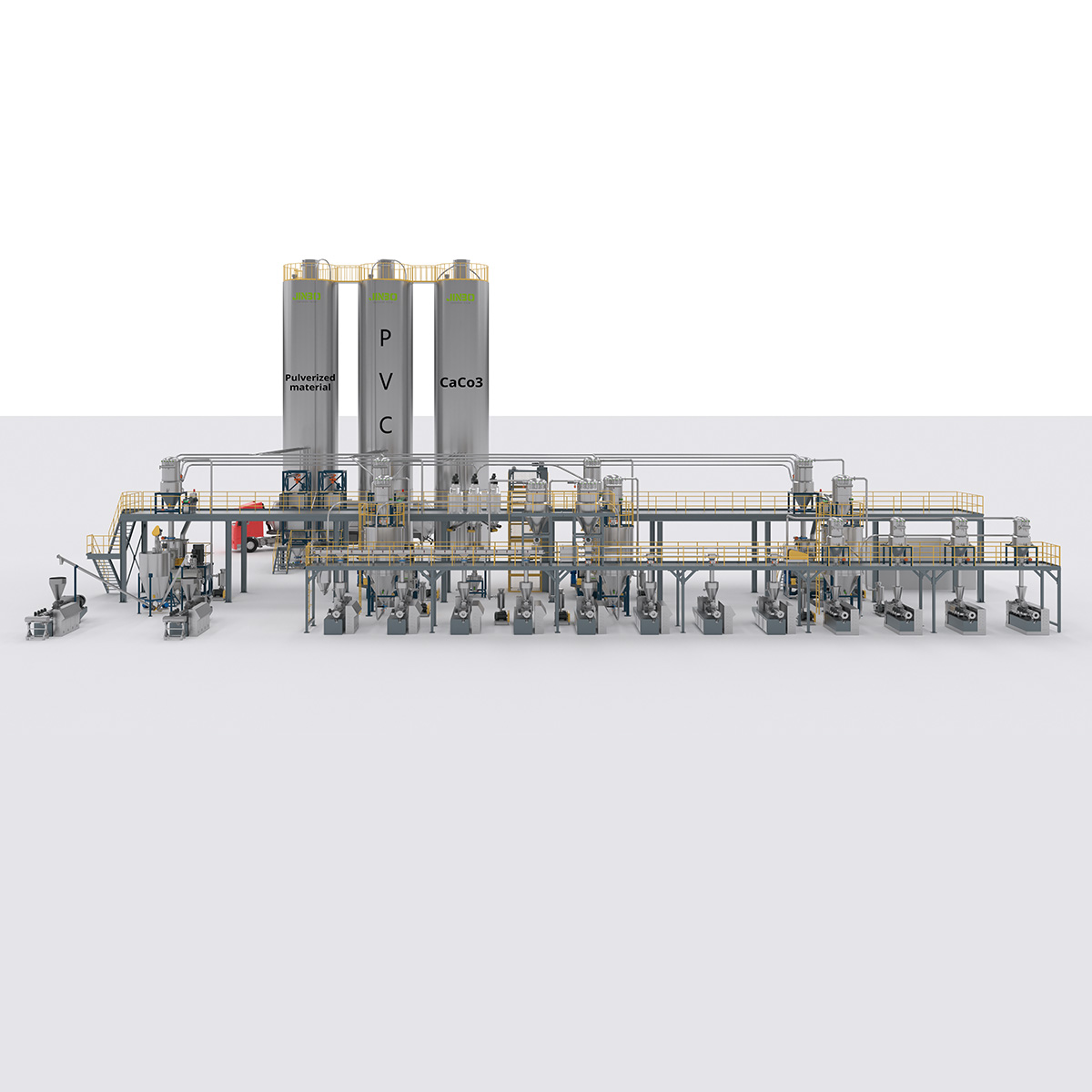
Centralized feeding system energy consumption comes primarily from vacuum pumps and blowers, resin drying equipment, and auxiliary material-handling components. The energy efficiency of a centralized feeding system can be evaluated by measuring the electricity consumed per kilogram of resin delivered or processed, then comparing the result with the existing standalone loading and drying equipment. Standalone hopper loaders create decentralized, difficult-to-track power drains across the plant floor. Decision-makers need hard data to determine if upgrading to a centralized architecture—also known in the industry as an automatic feeding system or central conveying system—actually yields a net reduction in power usage. This article serves as a technical evaluation guide. We will explore centralized feeding system energy consumption in detail, comparing it against decentralized setups. We will identify the specific components, material specifications, and design choices that dictate long-term energy ROI.
Consolidating multiple standalone motors into a centralized vacuum pump system typically reduces aggregate motor energy consumption by optimizing load cycles.
The integration of Variable Frequency Drives (VFDs) and microcomputer centralized automatic control prevents continuous, unnecessary power draw during idle periods or material changeovers.
Dehumidification and drying processes remain the highest energy consumers in material handling; centralized systems offer superior opportunities for thermal energy recovery.
Poor piping layout, inadequate material specifications, and neglected maintenance (e.g., air leaks at quick head presses) can rapidly negate the energy efficiency gains of a centralized feeding system.
Table of Contents
Defining the success criteria for energy efficiency in material handling requires a standardized metric. Plant engineers measure this efficiency in kilowatt-hours per kilogram (kWh/kg) of material processed. This metric provides a reliable way to evaluate different pneumatic conveying methods. It strips away the variables of facility size and total production volume, allowing for a direct comparison between traditional methods and modern centralized architectures.
Many facilities rely on individual hopper loaders mounted directly on the feed throats of injection molding machines. Running dozens of individual fractional-horsepower motors creates a massive cumulative power draw. Many compact standalone loaders use small vacuum motors that operate independently at each processing machine. Brush-type motors also require periodic maintenance because brush wear and heat buildup can affect their operating efficiency and service life.
These localized units lack coordinated control. They initiate uncoordinated start and stop cycles throughout the production shift based solely on the immediate sensor reading of a single hopper. Multiple standalone loaders can operate during the same production periods, increasing the combined electrical demand. Where utility tariffs include demand charges, sustained overlapping equipment operation can contribute to a higher measured peak demand and increase electricity costs. Decentralized loaders frequently drive up these utility demand charges unnecessarily.
High Inrush Currents: Single-phase motors draw up to six times their running current upon startup, stressing the electrical infrastructure.
Heat Generation: Inefficient motors convert a large portion of their electrical draw into ambient heat, which then requires additional HVAC cooling on the plant floor.
Filter Blinding: Small, localized filters clog quickly, forcing the motor to work harder and draw more amperage to maintain suction.
A centralized feeding system replaces numerous small, inefficient motors with one or two high-efficiency industrial vacuum pumps. This consolidation fundamentally changes the facility's power profile. Shared vacuum infrastructure can reduce redundant motor operation and improve equipment utilization when the pumps and conveying lines are correctly sized for the plant's material demand.
Centralized vacuum generation leverages the physics of pneumatic conveying. A single large three-phase blower operates much closer to its peak efficiency curve than fifty small single-phase motors. The system sequences material demands intelligently, ensuring the vacuum pump maintains a steady, optimized load. Coordinated conveying cycles help manage overlapping motor operation and reduce unnecessary running time. The resulting energy savings depend on pump efficiency, conveying distance, equipment utilization, and the operating schedule.
Operational Metric | Standalone Loaders | Centralized Feeding System |
|---|---|---|
Motor Technology | Single-phase brush motors (low efficiency) | Three-phase industrial blowers (high efficiency) |
Power Draw Profile | Erratic, uncoordinated spikes | Smooth, sequenced, VFD-controlled |
Peak Demand Impact | High risk of simultaneous startup spikes | Low risk due to intelligent load management |
Filtration Efficiency | Localized, prone to rapid clogging | Centralized dust collection with auto-purge |
Understanding the total energy footprint requires analyzing the primary subsystems. A centralized architecture operates as an integrated network of components. Each component contributes to the overall power draw. Optimizing these core components maximizes the efficiency of the entire material handling process.
The vacuum pump acts as the heart of the conveying network. Variable Frequency Drives (VFDs) provide an important energy-management option for vacuum pumps and blowers designed for variable-speed operation. They match the pump speed to real-time material demand. Traditional pumps run at 100% capacity continuously, regardless of the actual load. VFDs alter the electrical frequency supplied to the motor, allowing the pump to slow down when material demand is low. VFDs reduce unnecessary motor operation by adjusting pump speed to the required conveying conditions. Actual power savings depend on the blower technology, operating vacuum, airflow requirements, and motor efficiency.
Different pump types offer distinct energy profiles based on the application. Side channel blowers are common for short to medium distances, providing excellent efficiency for moderate vacuum requirements. Positive displacement roots blowers handle longer distances and heavier bulk densities. Plant engineers must match the pump type to the specific layout and material characteristics. Incorrect pump selection leads to operating outside the ideal efficiency curve, wasting baseline energy every hour of operation.
Drying hygroscopic resins is highly energy-intensive. Materials like PET, nylon, and polycarbonate require strict moisture removal before processing. This process forms a necessary baseline for quality production. Heating ambient air to high temperatures consumes massive amounts of electricity. Decentralized dryers on individual machines lose significant heat to the surrounding environment due to poor insulation and small vessel sizes.
Centralized drying systems can improve thermal efficiency through well-insulated hoppers, coordinated dryer operation, and optional heat recovery equipment. When designed with a suitable heat exchanger, the system can recover useful thermal energy and reduce the heating demand of incoming process air. Facilities can capture exhaust heat from the drying hoppers and route this thermal energy through a heat exchanger to pre-heat incoming ambient air. This reduces the workload on the primary electrical heaters. Thermal recovery stands out as one of the most effective ways to lower total system energy usage.
Intelligent PLC-based control systems serve as the brains of the operation. They realize 24-hour continuous feeding operation of pellets without continuous, wasteful power draw. The microcomputer monitors sensors at every machine hopper. It only activates the vacuum sequence when a specific hopper requires material, leaving the system idle when lines are full.
These controllers utilize predictive material routing. They optimize purge cycles to clear lines efficiently, preventing material degradation and blockages. The system makes refueling convenient and fast, minimizing idle pump running times during material changeovers. When a machine goes offline for maintenance or a mold change, the controller instantly removes it from the polling sequence. The vacuum pump does not waste energy checking a dormant station. This intelligent sequencing prevents unnecessary electrical consumption across the board.
Engineering and procurement teams need a reliable evaluation framework to assess vendor proposals. Projected efficiency must translate into actual utility bill reductions. Facilities must assess these systems through specific metrics and operational lenses to verify performance.
Total kilowatt-hours alone fail to provide a complete picture. A larger facility naturally uses more power. Establishing kWh/kg as the primary metric allows for direct comparisons across different facility sizes and production volumes. It isolates the efficiency of the material handling process from overall plant output.
Calculate this metric by measuring the electricity consumed by the relevant equipment over a defined operating period and dividing it by the mass of material conveyed or processed during the same period. Include vacuum pumps, dryers, and auxiliary equipment within a consistent measurement boundary when comparing centralized and standalone systems. Specific energy consumption (kWh/kg) = Total electricity consumed during the measurement period (kWh) ÷ Total material conveyed or processed during the same period (kg). Heavier materials, like glass-filled nylon, require more vacuum pressure to convey than virgin polypropylene. Tracking kWh/kg over time reveals the true operational efficiency of the system and highlights degradation in performance before it becomes a critical failure.
Utility bills consist of two main components. Base load represents the total energy consumed over time. Peak load represents the highest rate of consumption during a specific interval, usually a 15-minute window. Centralized systems impact both metrics, but their effect on peak demand charges provides the most immediate financial return.
The central controller programs staggered startup sequences. When the facility powers up after a weekend shutdown, the system does not turn on every motor simultaneously. Staggered startup sequences reduce overlapping motor inrush currents and help manage electrical loading. Where the utility tariff includes demand charges, coordinating equipment operation can also reduce measured peak demand and associated costs.
Facilities grow and add new production lines over time. Evaluating how adding new machine drops impacts marginal energy consumption is a necessary step in system design. Expanding an existing centralized architecture is highly efficient. Expanding a centralized feeding system may involve adding receivers and connecting new conveying routes to the existing network. The available pump capacity, pipeline resistance, and control system limits must support the additional material demand. Where sufficient capacity is available, variable-speed control can help the system accommodate different operating loads efficiently. The marginal energy increase remains minimal. Compare this to buying new standalone loaders, where each new loader adds another inefficient motor to the grid. Centralized architectures provide superior future-proofing, allowing facilities to scale production without scaling power consumption linearly.
Balancing energy savings against other operational realities provides a trustworthy perspective for facility managers. Centralized architectures require specific conditions to maximize their value proposition. Several factors influence the overall efficiency gains.
The initial capital expenditure for a central system requires heavy investment in pumps, piping, controllers, and installation labor. Facilities must calculate the payback period carefully. This calculation relies on long-term energy operational expenditure savings and factors in the drastic reduction in manual material handling.
Centralized systems reduce manual material handling significantly, lowering labor intensity and forklift traffic on the plant floor. However, the high upfront cost requires a facility to have sufficient throughput. Low-volume operations may struggle to recoup the initial investment through energy savings alone. High-volume, 24/7 operations typically see rapid returns. The energy efficiency gains justify the initial capital expenditure when production scales appropriately.
Regular maintenance directly impacts energy consumption. A neglected system rapidly loses its efficiency advantages. Facilities must implement a strict responsibility system of key management methods to ensure accountability for system upkeep. Maintenance preserves energy efficiency just as much as it prevents mechanical breakdowns.
Ensuring air tightness across the entire conveying network is non-negotiable. Every quick head press and branch connection must be perfectly sealed. Air leaks destroy vacuum pressure. Vacuum leaks reduce the effective suction available for material conveying and can extend loading cycles. The additional operating time increases the electricity required to transport the same amount of resin. Technicians must regularly inspect every seal, O-ring, and connection point.
Maintenance teams must regularly remove and clean mechanical equipment and electrical equipment. Dust accumulation acts as an insulator on motors and electrical panels, preventing heat dissipation. Heat buildup increases electrical resistance, which lowers efficiency. Clean equipment runs cooler and draws less power from the grid.
Adoption risks exist with any major infrastructure upgrade. Common engineering and installation failures cause centralized systems to underperform. Recognizing these risks early allows teams to implement effective mitigation strategies during the design phase.
Engineers sometimes specify a vacuum pump that is too large for current operations to accommodate future expansion. This oversizing leads to poor efficiency curves. A massive pump running at 10% capacity operates highly inefficiently, wasting baseline energy constantly.
Mitigation requires a modular system design approach. Emphasize VFD utilization to scale power with actual demand. If future expansion is certain, install a system that can accept a second pump later in parallel rather than installing a single oversized pump on day one. Match the equipment to the realistic medium-term production forecast.
The physical routing of the conveying pipes dictates energy usage. Excessive elbows, vertical lifts, and long pipe runs increase friction. Every 90-degree bend creates a pressure drop equivalent to several feet of straight pipe. The system must consume more energy to maintain the required conveying velocity through these obstacles.
Mitigation starts during the facility design phase. Advocate for rigorous specifications for materials and equipment. Demand comprehensive 3D layout drawings before installation begins. Use these drawings to optimize routing, minimize bend radii, and eliminate unnecessary vertical climbs. Smooth, direct pipe runs require significantly less blower horsepower.
Central dust collectors protect the vacuum pump from plastic fines and dust. When these filters become blocked, airflow is restricted and conveying performance deteriorates. The system may require longer loading cycles or additional operating time to deliver the same amount of material, increasing energy consumption per kilogram conveyed. Filter blinding acts as a primary cause of creeping energy consumption over time.
Mitigation involves automated filter purging systems. These systems use compressed air pulses to clean the filters dynamically during operation. Establish strict preventive maintenance schedules to monitor differential pressure across the filter media. Replace degraded seals immediately rather than waiting for a complete failure. Proactive filter and seal management preserves the system's baseline efficiency.
Upgrading material handling infrastructure represents a major strategic decision for any plastics processing facility. A centralized feeding system requires a significant initial investment in equipment and installation. However, the long-term operational benefits are substantial. Its consolidated motor design, VFD integration, and thermal recovery capabilities offer a mathematically verifiable reduction in energy consumption per kilogram of material processed. Facilities eliminate the erratic power spikes caused by decentralized loaders, streamline their production floor, and lower their carbon footprint.
Buyers must approach the procurement process with rigorous standards. Demand transparent energy consumption curves from vendors. Request comprehensive 3D layout drawings to verify optimal pipe routing. Ensure VFDs are included as standard equipment rather than optional upgrades. Always explore heat recovery options for drying processes to maximize efficiency.
Take the following actionable steps to begin your evaluation:
Conduct a facility-wide energy audit of current standalone hopper loaders to establish a baseline power draw.
Request a custom ROI and power-draw calculation from a qualified system integrator based on specific throughput requirements.
Review 3D layout drawings to identify potential friction points and pressure drops before finalizing any installation contract.
Establish a preventive maintenance schedule focusing on automated filter purging and seal integrity at every quick head press.
A: Energy savings are determined by comparing measured electricity consumption under equivalent material throughput and operating conditions, with potential reductions coming from coordinated vacuum generation, shorter unnecessary running times, and improved equipment utilization. This reduction comes from replacing dozens of inefficient single-phase motors with one high-efficiency three-phase blower. The integration of Variable Frequency Drives (VFDs) further optimizes this by scaling power draw to match real-time material demand.
A: No. While the microcomputer control system remains powered to manage 24-hour continuous feeding operations, the heavy energy consumers do not. The vacuum pumps and blowers only cycle on based on active demand signals from the machine hoppers. VFDs ensure they idle or shut down during inactive periods.
A: Longer conveying distances and vertical lifts increase pipe friction and pressure drops. This requires a larger blower motor to maintain adequate vacuum pressure. Efficient 3D layout drawings minimize unnecessary elbows and bends, keeping the required motor size and energy consumption as low as possible.
A: Yes. Centralized drying hoppers offer excellent opportunities for thermal recovery. Systems can capture hot exhaust air from the drying process and route it through a heat exchanger. This pre-heats incoming ambient air, significantly reducing the electrical energy required by the primary heaters.
A: Air leaks destroy energy efficiency. If a branch connection or a loose quick head press fails to seal, vacuum pressure drops. The central blower must run longer and at higher RPMs to compensate for the lost pressure. This forces the system to draw excess amperage just to maintain basic material transfer rates.
A: A VFD allows the vacuum pump motor to adjust its speed based on actual load requirements. Without a VFD, the motor runs at 100% maximum capacity whenever activated. VFDs help reduce electrical consumption during lower-demand operation by adjusting motor speed within the blower's allowable operating range.