


Views: 0 Author: Site Editor Publish Time: 2025-12-08 Origin: Site


A centralized feeding system (CFS) is crucial for industries like plastic manufacturing, aquaculture, and food processing. It enhances efficiency, reduces downtime, and ensures consistent material quality. Proper installation and ongoing maintenance are key to long-term operational success.
In this article, we'll explore how to install and maintain a CFS effectively. You'll learn the steps for preparation, installation, and proactive maintenance to keep your system running smoothly.
Before installing a centralized feeding system (CFS), it’s essential to assess the site and plan the space accordingly. The surface where the system will be installed must be sturdy and level to support the weight of the entire CFS. This is crucial to prevent any instability that could affect system performance. Industrial installations typically require a concrete surface with a compressive strength of at least 25 MPa to ensure stability.
For outdoor systems, like those in aquaculture, it’s important to create custom enclosures to protect components from environmental factors, such as humidity, heat, and debris. These protective structures will help prevent corrosion and extend the lifespan of the system’s parts, such as the screw conveyor and ventilation filters.
Proper pipe routing is essential for minimizing system wear and ensuring smooth material flow. To avoid unnecessary pressure loss, pipes should be routed in a way that minimizes bends, with no more than two elbows per 10 meters of pipe. This will ensure the system operates efficiently and reduces the chances of blockages.
High-density polyethylene (HDPE) pipes are highly recommended for food-grade material transport due to their resistance to abrasion and ability to withstand the stress of moving materials like plastic granules or powders. In addition to pipe routing, ensuring the proper utility connections is vital. Verify that the CFS has access to the right power supply and compressed air connections. This is important to avoid voltage fluctuations and maintain consistent performance throughout the system.
Utility Requirements | Specifications |
Power Supply | 380V/50Hz (for industrial systems) |
Compressed Air | 0.6–0.8 MPa |
Pipe Material | HDPE (food-grade) |
Surface Strength (Concrete) | ≥ 25 MPa |
Before installation, carefully inspect all delivered components to ensure that no parts are missing or damaged. This includes key system components like screw conveyors, weighing scales, and ventilation filters. It’s essential to cross-check the inventory against the bill of materials (BOM) to confirm all parts are accounted for.
Conduct dry runs of critical components to test functionality before beginning the installation process. For example, test the flow consistency of the sprayer unit or the performance of the additives weighing scale. Dry runs allow for identifying potential issues and fixing them early, reducing troubleshooting time during the full system installation.
Tip: By taking the time for thorough site preparation, pipe routing, and component inspection, you’ll set a solid foundation for a smooth and efficient installation of your centralized feeding system.
The installation of core components, such as silos and hoppers, is critical to ensuring the system remains stable. Begin by securing the silos to a reinforced concrete base using anchor bolts. This prevents shifting, which could disrupt material flow. For added stability, torque anchor bolts to 50 N·m, as recommended for industrial systems.
Next, focus on the placement of drying and dehumidifying modules. These systems are essential for preventing moisture-related defects in materials like PVC or other hygroscopic plastics. When positioning these modules, ensure they are within 5 meters of the silo to minimize pipe length. Maintain drying temperatures between 80–120℃ and ensure the dew point remains below -40℃ to prevent material degradation.
The conveying system is responsible for transporting materials throughout the facility. Start by assembling HDPE pipes, ensuring proper connections to prevent leaks. Pipes should be connected with heat fusion for permanent joints or quick-connect fittings for flexibility during future reconfigurations. It is crucial to test these connections for leaks, especially at joints. One effective method is to apply 0.1 MPa air pressure and check for leaks with soapy water. If no bubbles appear, the connection is secure.
Vacuum and pneumatic systems should also be carefully mounted, ensuring that they are placed on vibration-damping pads to minimize mechanical stress and reduce noise. For vacuum pumps, initial pressure settings should be adjusted to -0.06 MPa, and it is important to monitor and fine-tune based on material type.
The central control panel is the brain of the system, so its installation must be precise. It should be placed in a clean, dust-free environment that maintains a stable temperature (between 15–30℃). After positioning the panel, connect the sensors, such as weight sensors and level detectors, ensuring the wiring is shielded to avoid electromagnetic interference. Communication efficiency is crucial for smooth operations; therefore, it is recommended that the system’s response time (latency) should be under 100ms.
After installation, calibrating the system ensures optimal material flow. The conveying speed must be adjusted based on the material type being transported. For example, granules require higher speeds (18–22 m/s) than powders (8–12 m/s) to avoid wear on pipes.
Weight sensors and level detectors should also be calibrated at this stage. To ensure accuracy, use standard weights (such as 5kg and 10kg) for weight sensors. Additionally, fill silos to various levels (e.g., 25%, 50%, 75%) to check that the level sensors detect these changes accurately. This step ensures that the system is operating within the required specifications before moving to full-scale production.
After the installation process is complete, running the system for 24 hours is crucial for verifying its stability and ensuring all components work as expected. This commissioning phase helps to identify any potential issues before full-scale operation begins. During this period, it is essential to monitor key performance metrics such as vacuum pressure and material delivery accuracy. For instance, fluctuations in vacuum pressure should remain minimal (within ±0.005 MPa) to ensure consistent operation. Similarly, material delivery must be precise, with no deviation greater than 1% of the target volume.
It’s also important to check the drying system, ensuring that the dew point remains within the required range of ≤ -40°C for hygroscopic materials. Continuous monitoring of these parameters during the commissioning process helps detect any irregularities early on, reducing the chances of system failures during routine operations.
Training operators is an essential step in ensuring the system runs smoothly and efficiently. Operators should be familiarized with basic operations such as starting and stopping the system, adjusting material flow rates, and changing recipes. These fundamental skills are critical for daily operations, allowing the system to be quickly adjusted based on varying material types or production requirements.
Additionally, operators must be trained in emergency procedures, ensuring they can respond swiftly and appropriately to any malfunctions or system alarms. This includes understanding how to shut down the system safely, clear blockages, and reset components like the screw conveyor or dehumidifiers. Proper emergency training can prevent damage to the system and ensure the safety of personnel.
Routine maintenance tasks should also be covered in the training program. Operators should be able to perform basic tasks such as filter cleaning, checking sensor accuracy, and inspecting components like the ventilation filter and weighing scales. Regular checks and maintenance can help prevent unexpected downtime and improve the overall lifespan of the system.
Task | Training Focus | Frequency |
Basic Operation | Start/stop sequences, recipe changes | Daily |
Emergency Procedures | System shutdown, clearing blockages, alarms | As needed (emergency) |
Routine Maintenance | Filter cleaning, sensor checks, visual inspections | Weekly or Monthly |
System Monitoring | Vacuum pressure, material delivery accuracy | Continuous during operation |
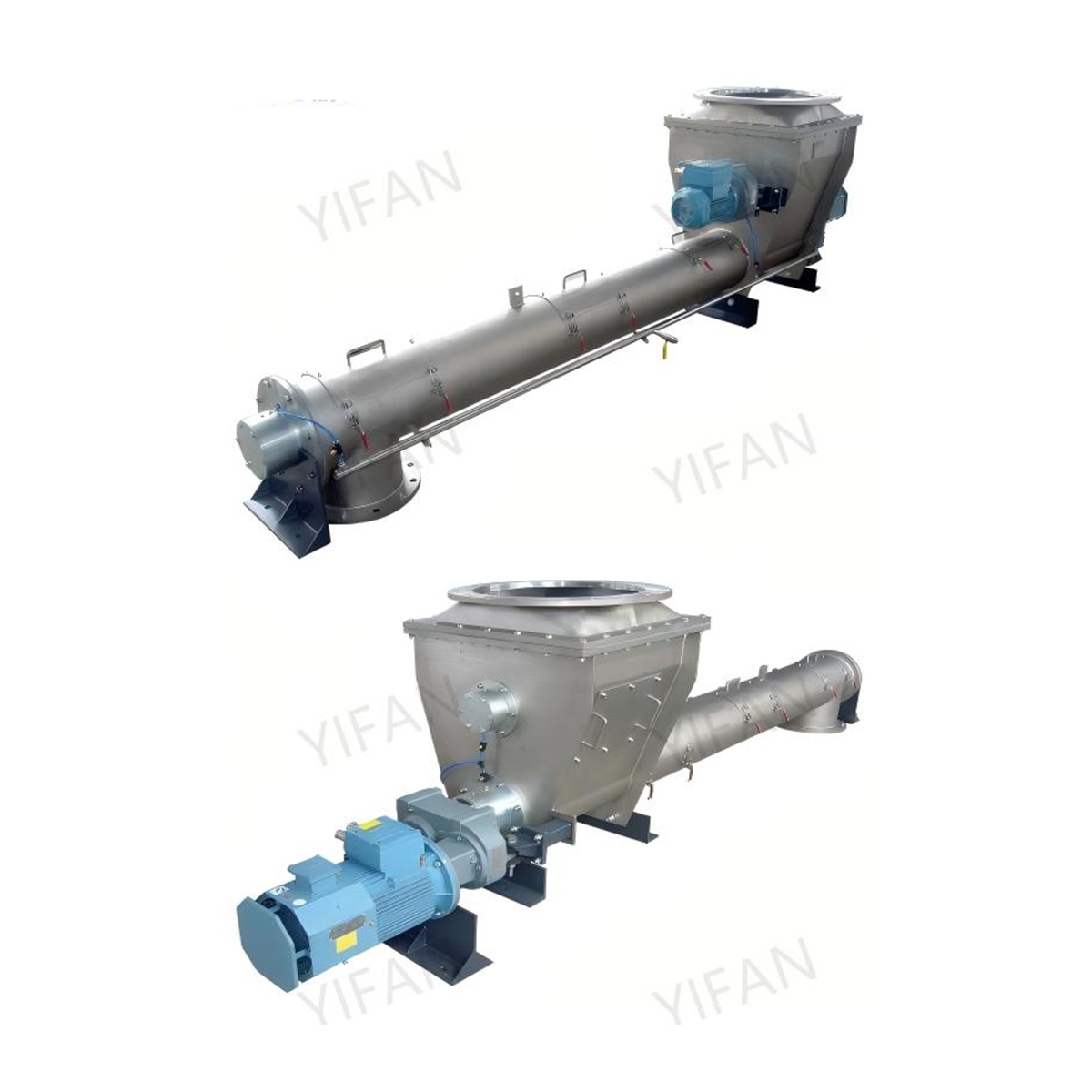
Daily maintenance is essential for keeping the centralized feeding system (CFS) running smoothly. Start each day with a visual inspection of the system. Look for signs of leaks, loose bolts, or unusual noises that could indicate potential issues. For example, listen for grinding sounds from the screw conveyor, which may suggest wear or obstruction. Identifying these issues early helps prevent larger failures.
Cleaning is another critical daily task. Use compressed air to clean filters, including ventilation filters and cyclone dust collectors. This ensures that airflow remains optimal, preventing clogging and maintaining system efficiency. A clean system reduces energy consumption and minimizes the risk of downtime.
Monthly maintenance involves more thorough checks to ensure all components are functioning at peak performance. Inspect pipes and joints for wear, especially in high-stress areas like elbows and connection points. Wear in these parts can lead to inefficiency or leaks, so be proactive in tightening joints and replacing damaged sections.
Lubrication is also important. Moving parts such as screw conveyor bearings should be lubricated to prevent friction and wear. Check sensor accuracy monthly, particularly weight sensors and level detectors, to ensure that measurements remain precise. If sensors deviate by more than 0.5%, recalibrate them to avoid inaccuracies in material flow and distribution.
Every quarter, the system should undergo a more extensive check to ensure its long-term health. Disassemble the screw conveyor to inspect the spiral blades for any signs of deformation or corrosion. If the blades are worn beyond 1mm in depth, replace them immediately.
Electrical system audits are also crucial. Test the insulation resistance of power cables, aiming for a reading of at least 10 MΩ. Tighten connections in the control panel to prevent power fluctuations that can cause system instability. These audits ensure that electrical components continue to perform reliably over time.
Annually, a more comprehensive overhaul of the system is necessary to ensure it operates at its best. Replace major components such as sprayer units and load cells, even if they still appear functional. This helps prevent unexpected failures and keeps the system running without interruption.
Running a full-load performance test is another essential annual task. Simulate full system capacity and compare the results to initial commissioning data. Any discrepancies, such as reduced material flow or pressure drops, should be addressed with targeted repairs to maintain peak performance.
Maintenance Task | Frequency | Action Items |
Visual Inspection | Daily | Check for leaks, loose bolts, unusual noises |
Filter Cleaning | Daily | Use compressed air for filter cleaning |
Pipe & Joint Inspection | Monthly | Check for wear and tightness |
Lubrication of Bearings | Monthly | Lubricate moving parts like screw conveyor bearings |
Conveyor System Check | Quarterly | Inspect screw blades, test for corrosion |
Electrical Audit | Quarterly | Test insulation resistance, tighten connections |
Component Replacement | Annually | Replace sprayer units, load cells |
Full-Load Performance Test | Annually | Run full-load test to check system performance |
Following this proactive maintenance schedule ensures the system operates efficiently, minimizes downtime, and extends the life of critical components.
Material flow disruptions are one of the most common issues that can affect the performance of a centralized feeding system (CFS). These disruptions are often caused by pipe blockages or failures in the vacuum pump. A blockage can occur when material builds up in the pipes, especially at elbow joints or other high-stress areas. In addition, vacuum pump failures, due to motor resistance issues or insufficient power, can prevent the system from maintaining the necessary pressure for smooth material transport.
To resolve these issues, start by checking for visible blockages. Use a pipe camera to identify where material has accumulated, and clear the blockage using compressed air. For vacuum pump failures, measure the motor resistance to ensure it is within normal limits (≥50Ω). If the motor shows signs of wear or damage, replace it. Keeping the pipes clean and ensuring the vacuum system is operating at the correct pressure are key to preventing flow disruptions.
Sensor inaccuracies, such as calibration drift or material bridging, can lead to incorrect measurements, affecting the overall efficiency of the CFS. Calibration drift occurs when sensors lose their accuracy over time, often due to environmental factors or wear. Material bridging, where material gets stuck or clogs the sensors, can also result in faulty readings.
To correct sensor inaccuracies, recalibrate the sensors regularly. For weight sensors, use standard test weights (e.g., 5kg and 10kg) to verify accuracy, ensuring any deviation is within ±0.2%. For level sensors, fill the silos to different levels (25%, 50%, and 75%) and check that the sensors correctly detect these changes. In addition, installing vibration units at the silo outlet can prevent material bridging by promoting smooth material flow.
Frequent system alarms or error messages can indicate issues such as sensor misalignments or PLC (programmable logic controller) errors. Misaligned sensors can result in inaccurate data readings, triggering unnecessary alarms. PLC errors often arise due to communication issues or software malfunctions, which can disrupt the entire system's operation.
To address these issues, first check for sensor misalignments, ensuring they are properly positioned and free of dust or debris. Clean the sensors and adjust their positioning if necessary. If alarms persist, reset the PLC system to its factory settings (be sure to back up important data first). If the problem continues, verify the wiring and communication lines between sensors and the PLC to rule out any connection problems.
Issue | Possible Cause | Solution |
Material Flow Disruptions | Pipe blockages, vacuum pump failure | Clear blockages, check motor resistance |
Sensor Inaccuracies | Calibration drift, material bridging | Recalibrate sensors, install vibration units |
System Alarms | Sensor misalignment, PLC errors | Realign sensors, reset PLC system |
Proper installation and maintenance of a centralized feeding system (CFS) are crucial for optimal performance. A well-maintained system boosts long-term productivity and ensures consistent material quality. Regular checks and proactive maintenance help minimize downtime and extend the system's lifespan. Yifan's products, known for their reliability and innovation, provide added value by offering efficient solutions that enhance operational stability and longevity.
A: A Centralized Feeding System (CFS) is a system designed to transport and distribute materials like plastic granules or feed to various production lines in industries such as plastic manufacturing, aquaculture, and food processing.
A: Consider factors like material type, system capacity, and installation space. Ensure that the CFS you choose can handle the specific requirements of your factory’s production process.
A: Regular maintenance improves efficiency, reduces downtime, and extends the system’s lifespan by ensuring optimal performance and preventing unexpected breakdowns.
A: Address issues such as material flow disruptions, sensor inaccuracies, or system alarms by checking for blockages, recalibrating sensors, and resetting PLC systems to ensure smooth operation.


