


Views: 0 Author: Site Editor Publish Time: 2025-12-15 Origin: Site


Centralized Feeding Systems (CFS) are transforming industrial automation. But are they the right choice for your factory? Used in industries like plastic molding, PVC extrusion, and food processing, CFS offer streamlined material handling. In this post, we'll explore the key pros and cons, helping you make an informed decision based on your production needs.
Centralized Feeding Systems (CFS) provide multiple advantages, making them a popular choice in industrial automation across various sectors. Below are some key benefits that help businesses improve efficiency, reduce costs, and enhance overall production quality.
CFS automates many material handling tasks, which reduces the reliance on manual labor. Through advanced systems like Programmable Logic Controllers (PLC) and Human-Machine Interfaces (HMI), these systems streamline operations, allowing for automatic material transfer, precise dosing, and uninterrupted production.
For example, a plastic molding factory can reduce labor costs by over 50% by automating material feeding. In a typical factory with 10 or more machines, this results in fewer personnel needed for material handling, saving up to ¥400,000 annually. Furthermore, CFS eliminates downtime due to manual shifts. With automation, these systems can operate 24/7, ensuring continuous production without the need for breaks or shift changes.
One of the biggest challenges in manufacturing is maintaining consistent material quality. CFS addresses this issue by utilizing closed-loop systems and sealed stainless steel pipes. These features reduce the risk of contamination, ensuring that raw materials remain dust-free and free from cross-contamination between different batches.
The accuracy of CFS also leads to significant reductions in material waste. For instance, precise metering, with an accuracy of ±0.2%, allows factories to cut material waste from 15-20% to just 3-5%. This precision is especially valuable in industries such as food processing and medical plastics, where quality control is crucial. The reduction in waste directly correlates to significant cost savings, improving the overall efficiency of production.
Energy savings are a key advantage of CFS. Traditional systems often rely on individual dryers or machines that consume large amounts of power. In contrast, a centralized system uses shared equipment, such as centralized dehumidifiers, which reduces overall energy consumption. For example, factories using one dehumidifier for 10 injection molding machines save approximately ¥12,000 annually in electricity costs.
Additionally, CFS optimizes floor space, which is critical in factories with limited real estate. By centralizing silos, dryers, and control units, these systems free up valuable floor space. This is particularly beneficial for small factories or those located in urban areas with limited space. A well-designed CFS can save up to 50% of floor space, improving workflow and creating more organized production zones.
Benefit | Impact |
Labor Cost Savings | Reduces manual labor by 50% or more |
Material Waste Reduction | Cuts material waste from 15-20% to 3-5% |
Energy Savings | Saves ~¥12,000 annually on electricity |
Space Optimization | Saves up to 50% of floor space |
CFS systems are equipped with advanced monitoring tools that provide real-time insights into system performance. These tools track vacuum pressure, material levels, and detect faults, ensuring that any issues are promptly addressed. This level of monitoring helps operators maintain smooth operations and avoid unexpected downtime.
Moreover, CFS systems are designed with redundancy features to ensure high reliability. For example, high-end systems with dual alternating vacuum pumps ensure that the system continues to function even if one pump fails, offering 99.5% uptime. This stability is essential for factories operating around the clock, where even short periods of downtime can result in significant financial losses.
These advanced monitoring systems not only reduce unplanned downtime but also enhance overall system reliability, which is crucial for industries that demand continuous operation.
Tip: By leveraging automation, energy efficiency, and intelligent monitoring, Centralized Feeding Systems provide manufacturers with a powerful tool to improve their production capabilities, cut operational costs, and enhance overall product quality.
While Centralized Feeding Systems (CFS) offer numerous advantages, there are several key drawbacks that can make them less suitable for certain industries or businesses. Understanding these challenges is critical when deciding whether to implement a CFS in your production process.
One of the most significant drawbacks of CFS is the high upfront cost. Setting up a fully automated system can range from ¥200,000 to ¥500,000, depending on the size of the operation and the complexity of the equipment. This is much higher than decentralized systems, where each machine can be equipped with an individual feeder for a fraction of the cost (¥5,000–¥10,000 per machine).
For small- and medium-sized enterprises (SMEs), the return on investment (ROI) can take as long as 3 to 5 years, compared to just 1 to 2 years for larger factories with higher output. This extended ROI cycle can be a significant hurdle for businesses with tight budgets or short-term production goals. SMEs may find it difficult to justify the high initial investment, especially if their production volumes are lower or fluctuate.
Cost | Upfront Investment | ROI Timeline (SMEs) |
CFS | ¥200,000–¥500,000 | 3–5 years |
Decentralized | ¥5,000–¥10,000 per machine | Shorter ROI |
CFS requires careful planning during installation, and once set up, it can be difficult and expensive to modify. Expanding operations or reconfiguring layouts often involves additional costs, such as extending pipes or adding new equipment. For example, adding machines to an existing system can cost upwards of ¥80,000 just for extending the CFS infrastructure, which can be much more expensive than modifying a decentralized system.
Additionally, CFS systems are not very flexible when it comes to production changes. Switching between different materials, for example, can be time-consuming and costly. For factories that frequently switch between materials, such as plastics or chemicals, the process can take anywhere from 30 to 60 minutes—far longer than the 5 to 10 minutes typically required by decentralized systems.
Another significant drawback of CFS is the "single-point failure" risk. Since all components are interconnected, the failure of a single part, such as the vacuum pump or central controller, can lead to a complete shutdown of the entire system. This is in contrast to decentralized systems, where a failure in one feeder affects only the specific machine it serves. A system-wide failure can be particularly costly for factories that operate continuously, as downtime can lead to significant losses.
Moreover, CFS systems often require specialized maintenance, which can be costly. Technicians must be trained to deal with issues like pipe clogs, sensor calibration, and vacuum pressure adjustments. For smaller businesses that do not have in-house technical expertise, relying on external service providers can add substantial costs—up to ¥10,000 annually in maintenance fees.
CFS is less responsive to sudden production changes compared to decentralized systems. When switching materials or changing production setups, CFS systems require time-consuming cleaning and adjustments to ensure proper functionality. As mentioned earlier, material changeovers can take up to 60 minutes, while decentralized systems can perform the same task in a fraction of that time.
Additionally, CFS is less efficient for small-batch productions. Since CFS is designed for high-throughput operations, it can result in overcapacity for smaller runs, wasting energy and leaving unused material residue in pipes. For low-volume operations, this inefficiency can be a major drawback.
Issue | Impact on Small-Batch Production |
Material Changeover Time | 30–60 minutes per material switch |
Overcapacity for Small Batches | Waste of energy and materials |
Despite its efficiency in large-scale operations, CFS can present significant challenges in flexibility, cost, and maintenance. These factors must be weighed carefully against the system's benefits, especially for businesses that have fluctuating production needs or limited resources.
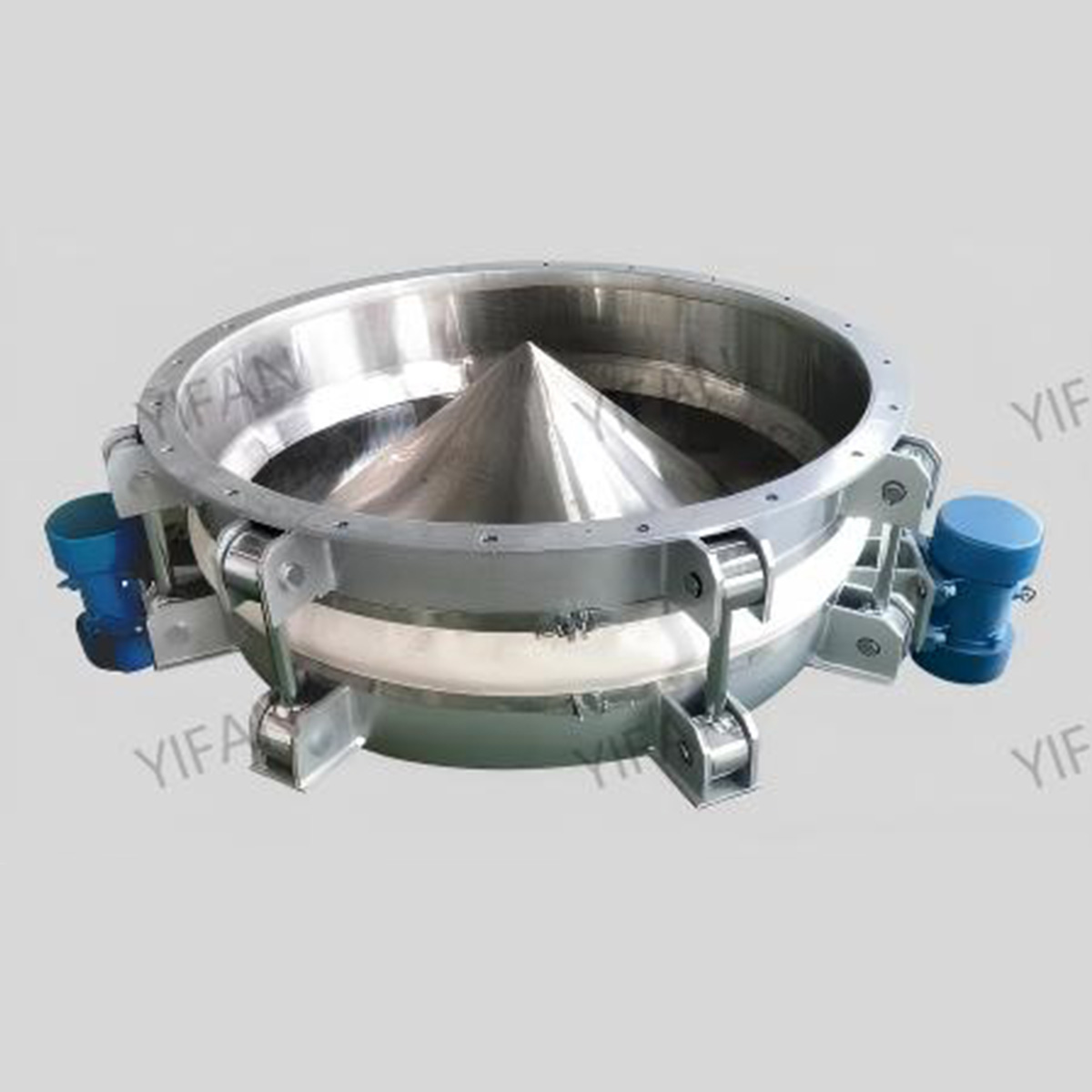
Centralized Feeding Systems (CFS) are used across a variety of industries, each with its own unique set of benefits and challenges. The suitability of CFS depends on the specific needs of the industry, including production scale, material types, and flexibility requirements. Here, we explore the trade-offs for different types of factories.
For large PVC pipe manufacturers, CFS provides significant advantages. Energy savings are one of the most notable benefits, as shared drying equipment reduces power consumption by 30%. Additionally, CFS systems drastically reduce dust in the production environment, which is critical for maintaining a clean and efficient factory. The system also cuts material waste by up to 80%, thanks to precise metering and efficient material handling.
However, CFS in large-scale PVC pipe factories comes with some challenges. The initial investment can be steep, ranging from ¥200,000 to ¥500,000. Additionally, conveying materials over long distances can reduce system efficiency. Pressure losses and increased operational costs are common when materials need to be transported over distances greater than 200 meters, making CFS less effective for factories with large physical footprints.
Pros | Cons |
Energy savings (30%) | High upfront cost (¥200,000–¥500,000) |
Reduced dust in production | Challenges with long-distance conveyance |
Material waste reduction (up to 80%) | Less efficient over long distances |
In small injection molding workshops, CFS can lead to significant labor savings, as automation reduces the need for manual material handling. The system also optimizes floor space by centralizing equipment like silos and dryers, freeing up valuable space for other activities.
Despite these benefits, small workshops face some key challenges when implementing CFS. The high initial investment and long ROI period are significant barriers, especially for businesses with limited production volumes. In many cases, it can take 3 to 5 years for the system to pay off, making it less attractive for operations with smaller budgets or short-term production goals. Additionally, CFS systems in small factories may lack the flexibility to scale quickly or adapt to changes in production needs.
Pros | Cons |
Labor savings | Long ROI period (3–5 years) |
Floor space optimization | Limited flexibility for future growth |
In industries that require stringent contamination control, such as food-grade plastic factories or medical parts production, CFS systems excel. These systems use sealed stainless steel pipes and closed-loop conveyance to ensure zero contamination, which is essential for products used in medical applications. CFS also offers high system uptime, often exceeding 99.5%, due to its redundancy features, which ensure continuous operation.
However, the maintenance requirements for CFS in these environments can be more demanding. The complexity of the system means that specialized technicians are needed for regular upkeep, which can be costly for smaller operations. Additionally, CFS systems are less adaptable to material changes. Switching between different raw materials can take a significant amount of time, up to 45 minutes or more, which can slow down production when frequent changes are necessary.
Pros | Cons |
Zero contamination | Maintenance dependency on specialized technicians |
High system uptime (99.5%) | Slow material changeovers (45+ minutes) |
As we can see, while CFS offers substantial advantages in large-scale and highly regulated industries, it may not be the best fit for small-scale operations or those requiring frequent production changes. Each factory must weigh the benefits against the potential downsides to determine whether a CFS is the right choice for their specific needs.
When deciding whether to implement a Centralized Feeding System (CFS), several key factors must be carefully considered. The decision should align with your factory's size, output needs, material handling requirements, and long-term goals. Below is a framework to help assess whether CFS is the right choice for your business.
CFS is ideal for larger operations with more than 10 machines and a high production throughput. If your factory handles large volumes of material (e.g., ≥1,000 kg/h), CFS offers significant efficiency improvements, reducing labor costs, material waste, and energy consumption. Large-scale facilities benefit from the automated features of CFS, which can operate 24/7, reducing downtime and improving overall output.
For smaller factories or those with lower output, however, decentralized systems might be more appropriate. These systems are less costly to implement, have shorter ROI periods, and offer more flexibility for lower-volume runs. Small workshops can save on the high upfront investment of CFS and avoid long payback periods that may not justify the cost.
CFS excels in stable material handling. It’s best suited for factories that work with a small number of consistent materials, where the material properties do not change frequently. The precision and closed-loop design ensure minimal material waste and contamination, making it an excellent choice for high-volume production of consistent products like PVC pipes or medical-grade plastics.
However, CFS struggles when frequent material switches are required. If your factory needs to frequently change between different types of materials, especially color powders or varying plastics, the time and cost involved in cleaning pipes and adjusting settings can become a bottleneck. In these cases, a decentralized system, which allows faster and easier material changes, may be more efficient.
When planning for the long term, it's essential to consider future expansion. CFS systems that are modular and flexible can help reduce the cost and complexity of reworking the system if production increases. Modular designs allow factories to scale their operations without completely overhauling the system, providing a cost-effective way to accommodate future growth.
For factories expecting significant expansion, choosing a modular CFS from the start can avoid the need for expensive retrofits or pipe extensions. However, if future growth is uncertain or unlikely, a decentralized system might offer greater flexibility and less long-term commitment, allowing businesses to make changes without the need for major adjustments to their infrastructure.
By evaluating these factors, businesses can make an informed decision about whether a CFS is the right investment. Whether you are scaling up operations or maintaining a flexible, low-output system, understanding the trade-offs will help ensure your choice aligns with your operational goals.
Centralized Feeding Systems (CFS) offer key benefits such as automation, waste reduction, and energy efficiency. However, they come with high initial costs, long ROI cycles, and flexibility issues. For large-scale operations with high throughput, CFS provides excellent value, while smaller factories may benefit from decentralized systems. Companies like Yifan offer modular CFS solutions, ensuring scalability and efficiency for growing businesses.
A: A Centralized Feeding System (CFS) automates the material handling process in industrial settings, streamlining the transfer, dosing, and storage of raw materials across machines.
A: CFS reduces labor costs by automating material handling, eliminating the need for manual feeding and improving efficiency in high-output factories.
A: The main drawbacks include high upfront costs, long ROI cycles, and limited flexibility, particularly in small-scale operations or those requiring frequent material changes.
A: CFS is ideal for large-scale operations with high throughput, as it offers automation, energy savings, and reduced material waste.


