


Views: 0 Author: Site Editor Publish Time: 2025-12-05 Origin: Site


Choosing the right centralized feeding system (CFS) is essential for boosting your factory's productivity. An incorrect system choice can lead to inefficiencies, wasted materials, and higher costs. In this guide, we'll explore key factors to consider, from production scale to long-term savings. You'll learn how to make an informed decision that optimizes both current and future operations.
The size of your factory and its production output directly influence the type of centralized feeding system (CFS) you should choose. For small factories with fewer than five machines and a production output of less than 500 kg/h, a semi-centralized or single-machine feeding setup is often sufficient. These systems are simpler, more cost-effective, and easy to maintain. They avoid the need for large-scale automation, which could lead to wasted energy and unnecessary costs.
For medium to large factories, typically with more than 10 machines and an output exceeding 1,000 kg/h, a fully automated, PLC-controlled CFS is necessary. These systems integrate multi-machine linkage, ensuring smoother material flow and reducing downtime. They can handle higher throughput and allow for more precise control over material distribution, increasing overall efficiency by up to 35-40%. Automated systems also offer greater scalability, allowing you to expand production without significant disruptions.
The physical layout of your factory is just as important as its size and output when choosing a CFS. A factory with long conveying distances, such as systems that transport materials over 200 meters, may experience inefficiencies and higher operational costs. For large factories or those with complex layouts, modular CFS with flexible piping systems is ideal. These systems can be adapted to multi-floor layouts or narrow spaces, allowing for more efficient material transport.
It is crucial to assess your space’s constraints early in the decision-making process to avoid overcomplicating the installation of a CFS. Modular systems are particularly useful as they can be customized to fit specific factory layouts, ensuring smooth integration with your existing infrastructure.
The type of pipe network you select for your CFS will depend on the space available and your factory's layout. In general, circular or star-shaped pipe networks are optimal for factories with complex layouts. These flexible systems allow for multiple routes and can handle varying material types and production volumes.
A well-planned pipe network ensures minimal material wastage and reduces the risk of clogs and jams, which can cause delays in production. For factories with limited space or high-output requirements, choosing a pipe system that allows for efficient material flow, while still being adaptable to future changes, is essential.
Factor | Small Factory (≤5 machines) | Medium-to-Large Factory (≥10 machines) |
System Type | Semi-centralized or single-machine setups | Fully automated, PLC-controlled systems |
Output | ≤500 kg/h | ≥1,000 kg/h |
Pipe Network Type | Simple, short distances | Flexible, modular, long distances |
Layout | Simple, compact | Complex, multi-floor, narrow spaces |
Different materials require different approaches when selecting a centralized feeding system (CFS). For common plastics like polypropylene (PP) or acrylonitrile butadiene styrene (ABS), using negative pressure or main pipe systems is typically the most efficient method. These materials are low-maintenance and can be easily conveyed over long distances without compromising quality.
Hygroscopic materials, such as polybutylene terephthalate (PBT) or polyethylene terephthalate (PET), require special handling to avoid moisture absorption, which can affect their quality. To prevent issues like brittleness or uneven extrusion, opt for CFS with integrated drying systems. These systems help maintain a consistent dew point, ensuring moisture levels are kept to a minimum.
Abrasive materials like PVC powder are highly prone to wear and tear. To avoid material leakage and damage to your system, spiral conveying systems are recommended. These systems use durable materials, such as stainless steel, to resist wear while preventing powder leakage that can clog the system and compromise performance.
Preventing contamination is crucial, especially in industries like food processing and medical manufacturing, where even minor cross-contamination can lead to product defects or safety concerns. For such materials, one-machine, one-material setups are ideal. These systems ensure that each machine is dedicated to a single type of material, preventing the risk of contamination from switching between materials. This setup is especially important for high-risk industries where cleanliness and purity are essential.
If your factory processes multiple materials, having a CFS that can quickly switch between them is vital for maintaining efficiency. Multi-pipe designs allow you to handle different materials without significant delays for cleaning or setup changes. For example, if you are working with various plastic types for injection molding or extrusion, systems that support quick material changeovers will minimize downtime. This flexibility allows your production line to remain versatile and responsive to varying production demands.
Material Type | Recommended CFS Features | Key Considerations |
Common Plastics (PP, ABS) | Negative pressure or main pipe systems | Easy transport, low maintenance |
Hygroscopic Materials (PBT, PET) | Integrated drying systems | Maintain moisture control, prevent brittleness |
Abrasive Materials (PVC powder) | Spiral conveying systems | Prevent wear and leakage, durable design |
Multi-Material Handling | Multi-pipe design for quick material changes | Reduce downtime, ensure flexibility |
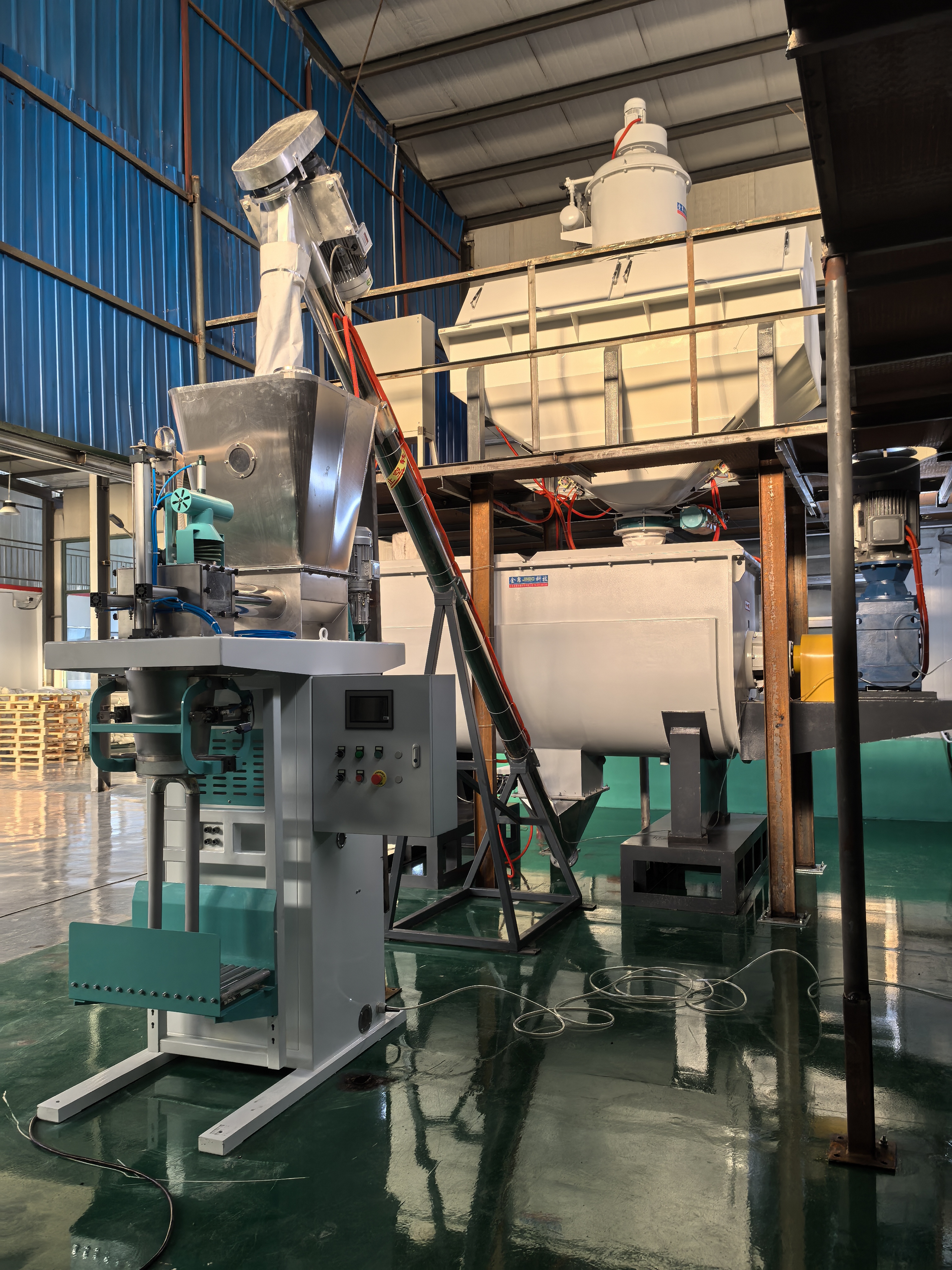
When selecting a centralized feeding system (CFS), automation is key to improving efficiency and reducing manual errors. PLC-controlled systems with Human-Machine Interfaces (HMI) allow operators to monitor and troubleshoot in real-time, minimizing downtime. This feature is particularly important for factories with high production volumes, as quick detection of system issues leads to faster resolutions, preventing production delays.
For factories moving towards smart manufacturing, integrating CFS with Manufacturing Execution Systems (MES) provides significant advantages. MES enables real-time tracking of raw material batches, along with production data management. This level of integration not only improves visibility but also enhances traceability, making it easier to ensure product quality and compliance, especially in industries such as pharmaceuticals or automotive, where precise documentation is crucial.
Dosing accuracy is critical in ensuring consistent product quality, particularly for industries like plastics manufacturing, where slight variations in material quantities can impact the final product. For general manufacturing, a dosing accuracy of ±0.5–1% is usually sufficient. This can be achieved with standard systems, which are cost-effective and reliable for basic production needs.
However, for high-precision processes, such as the production of PVC profiles with additives, more advanced systems are required. These systems should feature weight sensors capable of achieving a dosing accuracy within ±0.1–0.3%. Additionally, secondary error compensation mechanisms should be integrated to further minimize manual dosing errors, ensuring the quality and consistency of the final product.
For factories involved in batch production, system flexibility is crucial. Advanced CFS should be able to store and manage multiple production recipes, allowing automatic switching between different product configurations. For example, in the production of PVC pipes, a system should be able to adjust automatically to accommodate different pipe sizes or materials, without requiring extensive manual adjustments or downtime.
This flexibility is particularly useful in factories with diverse production needs, as it enables them to switch between multiple products quickly and efficiently. A CFS that supports automatic recipe changes reduces the time and labor involved in setup, leading to better productivity and fewer errors during transitions between production runs.
When selecting a centralized feeding system (CFS), it is crucial to balance the initial investment costs against the long-term savings it can generate. Economical, semi-centralized systems are typically more affordable, ranging from ¥5,000 to ¥10,000 per machine. These systems are suitable for smaller factories or low-output production lines. However, for larger operations or factories requiring higher efficiency, high-end automated systems may be necessary. These advanced systems can cost anywhere from ¥200,000 to ¥500,000 per setup, but they provide a significant return on investment through increased efficiency and reduced operating costs.
While the upfront cost of high-end systems may be substantial, they offer long-term savings in several key areas. Energy consumption is one of the most important factors. High-efficiency systems can reduce energy usage by 30-40%, resulting in substantial savings on electricity bills. Additionally, automated systems can reduce labor costs by up to 50%, as fewer workers are required for manual material handling and system monitoring. Over time, these savings can significantly offset the higher initial investment.
Moreover, a well-designed CFS can reduce material waste, another major cost factor in manufacturing. For example, closed-loop systems can cut waste from 15% to just 3%, saving substantial amounts of raw materials over the years. This efficiency not only helps in reducing costs but also contributes to sustainability by minimizing waste production.
Maintenance costs are often overlooked when evaluating the total cost of ownership, but they can have a significant impact on long-term expenses. When choosing a CFS, it is important to consider the cost of repairs and servicing. Systems with modular components are typically easier and less expensive to maintain, as individual parts can be replaced without the need for a full system overhaul.
In addition, ensure that the supplier offers reliable support services, such as Clean-in-Place (CIP) cleaning and 24/7 technical assistance. CIP cleaning allows for minimal downtime during maintenance, which is crucial for factories operating around the clock. Having access to 24/7 support ensures that any technical issues can be addressed promptly, reducing the risk of prolonged downtime and potential production losses.
When selecting a supplier for your centralized feeding system (CFS), it’s crucial to ensure they have specific experience in your industry. Whether you are in plastic manufacturing, aquaculture, or another sector, your supplier must understand the unique requirements of your production process. Suppliers with relevant experience can provide tailored solutions that meet your operational needs and avoid costly mistakes.
Reviewing case studies from previous projects can help validate the supplier's expertise. These examples show how the supplier's systems have performed in similar settings, giving you a clearer idea of their capabilities. Additionally, requesting trials is a smart move—testing the system under real-world conditions will allow you to assess its performance firsthand and ensure it meets your expectations.
A reliable supplier must offer more than just equipment. Ensure that the supplier provides ongoing support, especially in critical areas such as fault troubleshooting and system upgrades. A 24/7 fault support service is essential, as any downtime in your CFS can lead to significant production delays.
Furthermore, your supplier should be willing to customize systems to suit your factory’s specific needs. For example, some industries, like food manufacturing or medical device production, have strict regulatory requirements that demand custom solutions to prevent contamination. Ensuring the supplier is flexible enough to meet these requirements can help you avoid compliance issues and improve operational efficiency.
Supplier Criteria | Importance | Example Requirement |
Industry-Specific Experience | Ensures understanding of production challenges | Supplier with experience in plastic molding |
Case Studies | Validates system performance under real-world conditions | Review past projects in similar industries |
Trial Period | Confirms system suitability before purchase | Request a 1-3 month trial for performance |
24/7 Fault Support | Minimizes downtime and ensures quick resolution | Around-the-clock technical support availability |
Customization Capabilities | Meets specific production needs and regulations | Tailored solutions for high-risk industries |
Tip: Always verify the supplier’s after-sales service track record. A supplier with a history of excellent customer support can be a valuable partner in maintaining your system's long-term performance.
Choosing the right centralized feeding system requires evaluating factors like production scale, material needs, and system functionality. By considering total cost of ownership and supplier expertise, you can select a system that aligns with your factory’s growth. Yifan offers tailored solutions, providing strategic value by reducing costs, enhancing productivity, and supporting long-term success. Their expertise ensures seamless integration with your factory’s needs, making their systems a valuable asset for any operation.
A: A Centralized Feeding System (CFS) is a system that automates the distribution of raw materials across multiple machines in a factory, improving efficiency and reducing labor.
A: Consider factors such as your factory’s production scale, raw material characteristics, and the required level of automation to select a suitable CFS that meets both current and future needs.
A: A CFS can reduce energy consumption, minimize material waste, and lower labor costs, ultimately improving overall factory efficiency and productivity.
A: The cost of a CFS can vary depending on the system’s complexity, ranging from ¥5,000–10,000 for basic systems to ¥200,000–500,000 for high-end, automated models.
A: Yes, many suppliers offer customizable CFS solutions to accommodate specific production needs, ensuring flexibility and scalability for your factory's growth.


