


Views: 0 Author: Site Editor Publish Time: 2026-08-14 Origin: Site


Every manufacturing facility hits a production threshold where material delivery shifts from a routine task to the primary throughput bottleneck. This happens frequently in high-demand injection molding and extrusion workshops. Plant managers face a distinct operational tension. They must choose between the immediate flexibility of standalone feeding equipment and the long-term efficiency, traceability, and labor reduction of centralized automation. Standalone units offer lower upfront capital requirements and rapid deployment. However, they rely heavily on physical labor and localized maintenance. Choosing between decentralized manual units and a central material handling system depends on specific operational variables. You must evaluate production volume, material variance, facility layout constraints, and the integration of auxiliary equipment. We will evaluate these infrastructure decisions based on throughput, labor reduction, and facility layout to help you navigate this transition effectively.
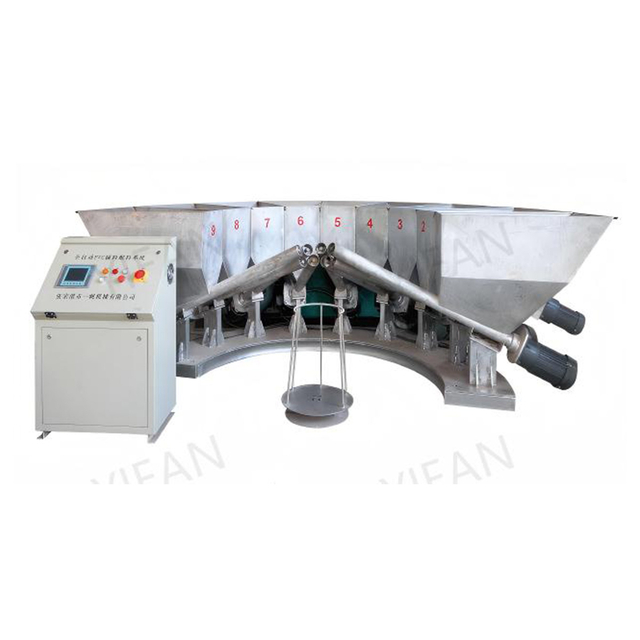
Volume vs. Variance: Standalone feeders excel in high-variance, low-volume environments with frequent material changeovers, whereas central systems dominate in high-volume, consistent-run operations.
Space and Safety: Centralizing material handling replaces manual storage and industrial trucks (forklifts) with a streamlined engineered system, removing bulk materials from the production floor and significantly reducing footprint constraints and contamination risks.
Financial Evaluation: While a central material handling system requires substantial initial CapEx, it typically offsets costs within 18–24 months through reduced physical labor, lower scrap rates, and bulk purchasing power.
Risk Management: Decentralized systems isolate equipment failures to single lines; central systems require engineered redundancy and robust industrial controls to prevent facility-wide downtime.
Table of Contents
Standalone feeding equipment forms the baseline of plastics processing material delivery. Individual material feeders, hopper loaders, and self-contained vacuum units mount directly on the feed throat of injection molding or extrusion machines. These mechanical devices regulate the flow of materials by pulling resin from local storage containers. You typically see gaylords or 55-pound bags positioned right next to the press. Each unit operates completely independently. They utilize their own fractional-horsepower brush motor, localized filter, and basic control board.
The mechanics are straightforward. A proximity sensor in the hopper detects a low material level. This triggers the local motor to create a vacuum. The suction pulls pellets through a flexible hose and into the loader. A flap valve at the bottom opens, dropping the batch into the machine throat. Standalone setups thrive under very specific manufacturing conditions. They succeed in operations requiring frequent color changes, short custom production runs, or facilities utilizing highly specialized, incompatible resins. In these environments, you can swap materials quickly. You simply roll a new gaylord to the machine, blow out the short flex hose, and move the suction wand. This decentralized approach offers maximum agility for high-mix, low-volume manufacturers who cannot risk cross-contamination in shared piping.
Operators working with standalone units must constantly monitor the floor. They visually check gaylord levels and manually swap wands when a container runs empty. This hands-on approach works well when running engineered resins like glass-filled nylon on one machine and a soft thermoplastic elastomer on the machine right next to it. The physical separation of the loading equipment guarantees that stray pellets from one process do not accidentally enter the other.
While standalone equipment provides agility, scaling this decentralized approach introduces severe hidden operational expenses. Manual materials handling demands immense physical labor. Operators spend countless hours moving heavy bags and gaylords across the plant floor using pallet jacks. Forklift traffic increases exponentially within the active production zone. This creates severe safety hazards, damages floors, and raises the risk of workplace injuries. The sheer volume of cardboard dust generated by staging gaylords next to processing machines makes maintaining a clean facility nearly impossible.
Furthermore, material spillage becomes inevitable during manual transfers and wand changes. Pellets on the floor represent direct financial loss and create dangerous slipping hazards. Inconsistent drying often occurs when local hoppers run empty because an operator missed a low-level alarm. Sometimes they overfill and disrupt the thermal profile. Maintaining lot traceability across dozens of isolated machines proves incredibly difficult without networked industrial controls. Operators must manually record batch numbers on clipboards or terminal stations. This leaves massive room for human error and complicates quality audits.
Common operational bottlenecks with standalone units include:
Constant manual intervention to clear clogged local filters and screens.
Frequent replacement of carbon brushes on fractional-horsepower motors.
High ambient noise levels on the production floor from dozens of independent motors running simultaneously.
Increased HVAC load due to heat generated by localized drying hoppers and vacuum motors.
Difficulty in executing rapid material changeovers without spilling resin on the floor.
Inability to leverage bulk purchasing discounts because materials must be bought in individual gaylords or bags.
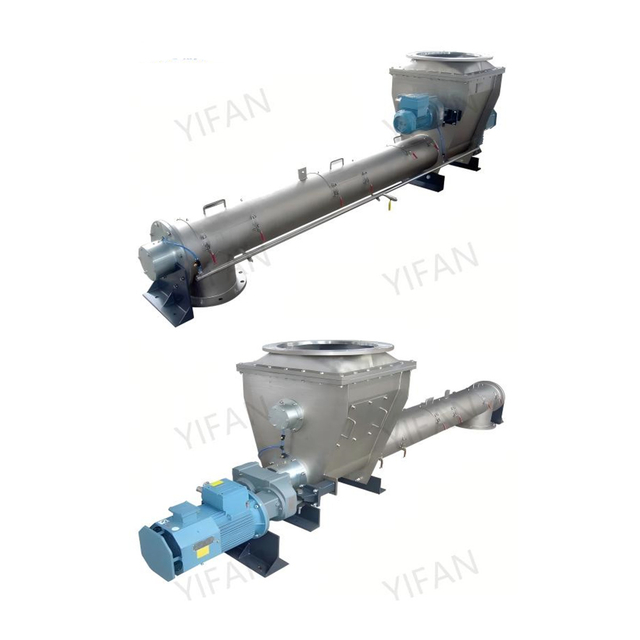
A central material handling system relies on a robust, plant-wide engineered infrastructure rather than isolated components. Heavy-duty central vacuum pumps generate the necessary suction to move resins across hundreds of feet of overhead piping. We typically specify positive displacement Roots-style blowers for this task because they maintain consistent airflow over long distances. Material receivers sit above each processing machine to catch the delivered pellets. They utilize counterweighted flap valves to drop the resin into the machine throat. Manifold distribution stations act as the central switchboard. They allow operators to route different materials to specific lines using quick-disconnect cam-lock fittings.
Centralized drying hoppers prepare the resin in bulk before distribution. This ensures a consistent moisture profile across all connected machines. Programmable Logic Controller (PLC) based industrial controls orchestrate the entire network. The PLC monitors vacuum levels, receiver demands, and pump health in real time. Bulk material handling machinery integrates directly into this central loop. You can connect outdoor storage silos, railcar unloaders, and bulk bag dischargers seamlessly. Auxiliary equipment also connects to the network. Gravimetric blenders, granulators for regrind recovery, and crystallizers tie into the central material handling system for unified operation. This creates a closed-loop material preparation ecosystem.
The piping network itself requires precise engineering. Installers use smooth-bore stainless steel tubing to prevent pellet degradation. They utilize long-radius bends rather than standard 90-degree elbows. This prevents the resin from smashing against the pipe walls, which creates dust and "angel hair" that can clog the receivers. The entire infrastructure is designed to move material gently but rapidly from the storage area to the processing floor.
Implementing this infrastructure completely transforms the plant workflow. Material storage moves away from the active processing floor entirely. Resins reside in a dedicated, climate-controlled material room or outdoor silos. This physical separation clears massive amounts of square footage on the production floor. The workflow shifts from reactive loading to predictive, computer-controlled delivery. Operators no longer scramble to respond to hopper alarms. The system constantly polls the receivers on the floor. It queues material demands based on real-time machine consumption.
This automated material handling eliminates the physical strain of manual loading. Operators no longer haul material across the plant. The system pulls data from integrated ERP and Manufacturing Execution Systems (MES). This validates that the correct resin flows to the correct work order. Barcode scanners at the manifold station ensure operators make the right connections. The system locks out if a mismatch occurs. This level of automation keeps processing machines running without interruption. It maximizes overall equipment effectiveness and stabilizes cycle times.
The shift also changes the skill set required on the floor. Instead of paying personnel to move boxes and sweep up spilled pellets, you train them to monitor the PLC interface. They watch for vacuum pressure drops, monitor dew points on the central dryers, and manage the automated purging sequences. This elevates the role of the material handler from manual labor to technical system management.

Standalone units handle moderate throughput but struggle under extreme demand or long conveying distances. A self-contained loader might max out at a few hundred pounds per hour over a short 15-foot vertical lift. This works for cyclical, low-tonnage injection molding. It fails during continuous, high-output extrusion processes that demand thousands of pounds per hour. As conveying distances increase, the fractional-horsepower motors on standalone units simply cannot generate enough static pressure to move the material reliably.
A central vacuum network delivers high-capacity throughput effortlessly. Central pumps maintain deep vacuum levels across extensive stainless steel piping runs. They easily move 5,000 pounds per hour or more. Scalability also differs drastically. Adding a new processing machine with standalone equipment requires buying, mounting, and wiring another local loader. You also have to find floor space for its material source. Expanding a central system simply requires dropping a new line from the existing overhead central manifold. You mount a receiver and land a communication wire back to the main PLC.
When you scale a facility from 10 machines to 30 machines, the throughput limitations of standalone units become glaringly obvious. You end up with 30 individual loaders fighting for space, 30 gaylords cluttering the aisles, and 30 separate motors requiring maintenance. A centralized network absorbs that expansion easily. You might need to upgrade the primary blower or add a secondary vacuum header, but the core infrastructure remains intact and highly scalable.
Changeovers create massive friction in decentralized setups. Standalone systems require operators to manually clean out local hoppers. They must wipe down the internal walls and physically transport new materials to the machine while removing the old gaylords. This manual process eats up valuable production time and leaves machines sitting idle. If a facility runs multiple short jobs per shift, the cumulative downtime from manual changeovers severely impacts profitability.
A central system manages variance through engineered automation. Automated line purging clears the pipes completely between material pulls. This ensures no pellets are left behind to contaminate the next batch. For highly sensitive resins, such as clear medical-grade polycarbonates, dedicated material lines prevent cross-contamination entirely. Centralized manifold switching allows operators to change the material routed to a specific machine by simply moving a hose connection at the distribution station. This reduces a 45-minute manual changeover to a 5-minute task.
The automated purge cycle is a critical feature. When a receiver signals that it is full, the PLC keeps the vacuum pump running for a few extra seconds while closing the material source valve. This pulls ambient air through the line, sweeping it clean. When the next machine calls for a different material on that same shared line, the pipe is completely empty. You cannot achieve this level of automated line clearing with standalone loaders.
Floor space dictates operational efficiency and safety compliance. Central systems remove gaylords, cardboard dust, pallets, and industrial truck traffic from the processing area. This clearing makes cleanroom compliance and 5S lean manufacturing initiatives much easier to achieve. The processing floor becomes safer, significantly less cluttered, and visually manageable. Tripping hazards disappear, and forklift-pedestrian interactions drop to near zero in the molding or extrusion bays.
However, central systems demand specific facility requirements that standalone units do not. You need adequate ceiling height to route overhead stainless steel piping. We use long-radius bends to prevent material degradation and angel hair formation. Dedicated pump rooms are necessary to isolate the noise and heat of large vacuum blowers from the production staff. The building structure must also support the weight of overhead engineered systems, heavy piping runs, and mezzanine-mounted drying hoppers.
Equipment Capability Comparison
Evaluation Metric | Standalone Feeding Equipment | Centralized Networks |
|---|---|---|
Throughput Capacity | Low to moderate (typically under 500 PPH). | Extremely high (capable of 5,000+ PPH). |
Floor Space Impact | High clutter; requires gaylords at every machine. | Minimal clutter; materials stored in a central room. |
Changeover Speed | Slow; requires manual cleanout and physical transport. | Fast; utilizes automated purging and manifold switching. |
Traceability | Manual tracking; high risk of human error. | Automated ERP/MES integration; barcode validation. |
Maintenance Focus | Scattered across dozens of local motors and filters. | Centralized at the pump room and main filter station. |
Financial evaluation requires looking far beyond the initial purchase price of the equipment. A central material handling system demands high upfront capital expenditures. You must pay for complex system engineering, heavy-duty pumps, extensive stainless steel piping, and specialized mechanical installation. Standalone feeders cost a fraction of this upfront. Facilities often purchase them out of operational budgets rather than seeking board approval for major capital projects.
However, the long-term operational expenses tell a completely different story. Central automation delivers massive ongoing labor savings by eliminating manual material transport and hopper loading. It drastically reduces resin waste caused by spillage, contamination, and over-drying. Implementing a central system unlocks bulk purchasing power. Facilities can store materials in large outdoor silos. You buy resin by the truckload or railcar rather than paying a premium for individual bags or gaylords. These compounding operational savings quickly offset the heavy initial capital expenditure. They transform the material handling process into a lean, highly efficient operation.
You also have to factor in the cost of scrap. When a standalone loader fails to keep a drying hopper full, the resin does not reach the proper dew point. The machine processes wet material, resulting in splay, structural weakness, and rejected parts. Centralized systems monitor dew points and material levels continuously. They prevent wet resin from ever reaching the feed throat, drastically reducing your scrap rates and improving overall product quality.
Energy draw scales poorly with decentralized equipment. Running 30 individual fractional-horsepower brush motors across a plant floor generates significant electrical waste and ambient heat. These small motors run inefficiently and require constant replacement of carbon brushes. A central system replaces these scattered motors with two high-efficiency variable frequency drive (VFD) vacuum pumps. The VFD pumps modulate their speed based on actual vacuum demand. They ramp up only when suction is actively required and idle during quiet periods. This drastically cuts overall power consumption.
Maintenance routines also shift from chaotic to predictable. Standalone units force maintenance technicians to service dozens of scattered filters, motors, and proximity sensors across the active plant floor. This often requires ladders and interrupts production. Centralized architecture simplifies this overhead. Technicians maintain a centralized, easily accessible pump, a primary floor-level filtration station, and a unified control panel. Dust collection happens in one central canister rather than at 30 different machines. This makes preventative maintenance faster, safer, and much more reliable.
When you centralize the dust collection, you protect the entire plant environment. Standalone loaders often blow fine resin dust back into the ambient air of the production floor. A central system pulls all that dust back to a primary cyclone separator and a secondary baghouse filter located in the pump room. This keeps the processing floor clean and protects your workers from inhaling airborne particulates.
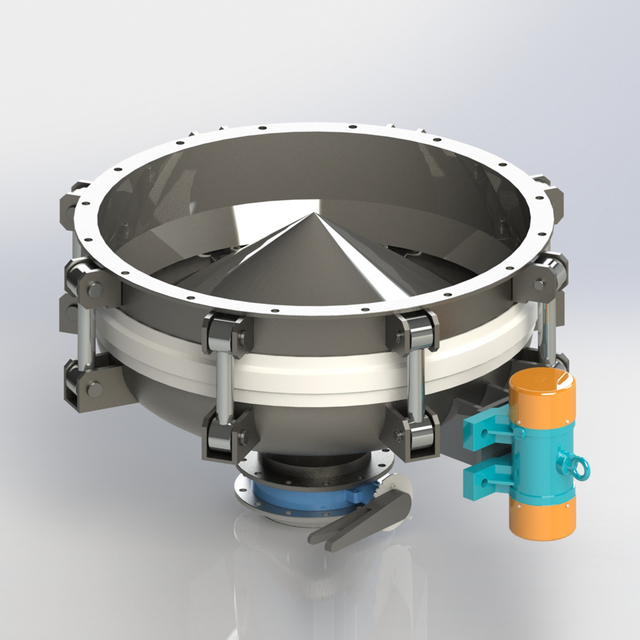
Centralization introduces a primary engineering risk that decentralized systems avoid. If the central vacuum pump seizes or the main PLC processor fails, the entire plant stops receiving material. You must design the system to handle these critical vulnerabilities from day one. Engineering a system without redundancy is a massive operational risk that can lead to catastrophic facility-wide downtime.
Mitigation tactics focus on engineered redundancy and smart architecture. Install backup standby pumps that automatically take over if the primary unit fails or requires maintenance. Utilize automatic switchover valves to route vacuum seamlessly between primary and secondary headers. Deploy redundant industrial controls and keep hot-swappable I/O cards in inventory to protect against logic failures. Always keep a few standalone loaders in the maintenance crib. These act as emergency bypass units. They allow you to keep critical, high-priority production lines running even during severe infrastructure outages.
You should also segment your vacuum headers. Instead of running one massive pump for 40 machines, split the plant into two zones. Run two medium-sized pumps, each handling 20 machines. Install a crossover valve between the two headers. If one pump fails, you can open the crossover valve and run the entire plant on the remaining pump at a slightly reduced capacity. This prevents a total shutdown while you repair the primary equipment.
Installing a central network causes unavoidable operational disruption. Running overhead piping, welding stainless steel joints, integrating auxiliary equipment, and wiring central controls requires mechanical contractors to access active production zones. You cannot simply shut down a busy manufacturing plant for three weeks to install pipe. Managing this disruption requires careful project management and strategic scheduling.
Phased rollouts solve this installation problem. Transition one production cell or bay at a time to the new central manifold. Install the heavy infrastructure, like the pump rooms, main vacuum headers, and central material room, during planned facility shutdowns, holiday weekends, or third shifts. Once the backbone is live, connect individual machines to the network gradually. This modular strategy minimizes production downtime while steadily building out the automated material handling capabilities across the facility.
Communication between the installation team and the production managers is critical during this phase. You must map out exactly which machines will be offline and for how long. By pre-fabricating manifold stations and pre-wiring the PLC panels off-site, you can drastically reduce the amount of time contractors spend on your active production floor.
To move forward with upgrading your material delivery infrastructure, execute the following steps:
Conduct a comprehensive material flow audit across your processing floor to identify specific throughput bottlenecks and manual handling delays.
Calculate your current manual handling labor costs and monthly material waste percentages to establish a baseline for financial modeling.
Request a site evaluation from a specialized systems integrator to draft an initial CapEx estimate and preliminary piping layout.
Map out your ceiling infrastructure and structural supports to verify routing paths for overhead piping and manifold placement.
With 20 years of industry experience, Zhangjiagang Yifan Machinery Co., Ltd. integrates R&D, manufacturing, sales, and service with a focus on automatic mixing and feeding systems and intelligent material conveying equipment. Its experience in centralized feeding, pneumatic conveying, mixing, and weighing technologies supports manufacturers seeking more integrated, reliable, and scalable material handling solutions for modern production facilities.
A: It is an automated, engineered network of pumps, piping, and computer-controlled systems. This infrastructure moves bulk resins from a central storage area directly to processing machines. By utilizing centralized vacuum power and programmable logic controllers, it completely eliminates the need for manual loading on the production floor.
A: Justification relies less on a strict pound-per-hour metric and more on operational pain points. It makes sense when you operate multiple processing machines, face high physical labor costs, or experience frequent downtime due to manual material shortages. High-volume, consistent runs benefit the most from this automation.
A: Dryers, blenders, and granulators network directly into the central loop via industrial controls. The main PLC communicates with these devices, ensuring resin is properly dried and blended before the vacuum system pulls it to the feed throat. This creates a seamless, automated preparation cycle.
A: While some local hoppers can be retrofitted with central receivers, the standalone vacuum motors are typically decommissioned. Moving to a central vacuum source renders the individual fractional-horsepower motors obsolete. The existing hoppers simply become holding vessels beneath the new automated receivers.
A: It drastically reduces changeover times from hours to minutes. Central manifolds, computer-controlled routing, and automated line purging clear the system quickly. Operators simply switch a connection at the manifold station, minimizing the risk of introducing the wrong resin to the machine.
A: Routine maintenance involves checking central pump filters and conducting vacuum integrity tests on the piping network. Technicians must also perform preventative maintenance on rotary valves, material feeders, and PLC sensors. Centralizing the pumps makes these routine checks much faster than servicing scattered standalone units.
A: They utilize dedicated material lines for highly sensitive or incompatible resins. Automated purge cycles clear out shared pipes completely between material pulls. Additionally, barcode-verified manifold connections ensure operators hook up the correct material lines, maintaining absolute integrity across injection molding or extrusion lines.


